• Industrial Gloves Market: Growth Outlook 2026–2033


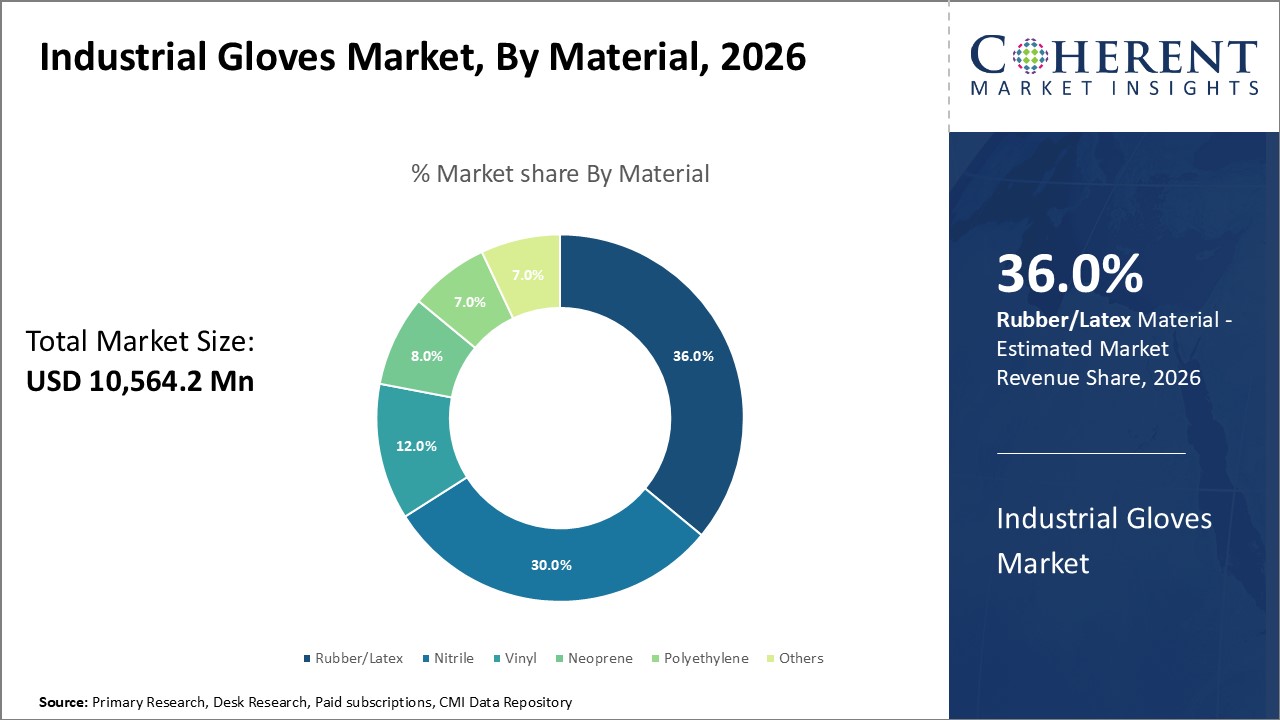
    The global industrial gloves market is projected to grow from USD 10.56 billion in 2026 to USD 17.15 billion by 2033, registering a 7.2% CAGR.


    Key growth drivers include workplace safety requirements, industrial expansion, increasing awareness of occupational hazards, and advances in protective glove materials. Reusable gloves lead by product type, while North America is the dominant regional market.


    Explore the report: https://www.coherentcmi.com/market-insight/industrial-gloves-market-770


    #IndustrialGlovesMarket #WorkplaceSafety #ProtectiveGloves #PPE #IndustrialSafety #Manufacturing
    Industrial Gloves Market: Growth Outlook 2026–2033 The global industrial gloves market is projected to grow from USD 10.56 billion in 2026 to USD 17.15 billion by 2033, registering a 7.2% CAGR. Key growth drivers include workplace safety requirements, industrial expansion, increasing awareness of occupational hazards, and advances in protective glove materials. Reusable gloves lead by product type, while North America is the dominant regional market. Explore the report: https://www.coherentcmi.com/market-insight/industrial-gloves-market-770 #IndustrialGlovesMarket #WorkplaceSafety #ProtectiveGloves #PPE #IndustrialSafety #Manufacturing
    WWW.COHERENTCMI.COM
    Industrial Gloves Market Size and YoY Growth Rate, 2026-2033
    Industrial Gloves Market valued at USD 10,564.2 Mn in 2026, is anticipated to reaching USD 17,153.3 Mn in 2033, with a steady annual growth rate of 7.2%.
    0 Comentários 0 Compartilhamentos 184 Visualizações 0 Anterior
  • TMT Bar Suppliers in India: When Should Steel Samples Be Retested Before Acceptance?


    A test result that appears unusual does not always mean the entire steel lot should be rejected. Sample condition, testing procedure, equipment status, identification and result consistency can all be considered before deciding whether additional testing is appropriate. This informative guide explains the role of retesting and documented verification when evaluating TMT Bar Suppliers in India. Read More : https://bhratatmx.in/tmt-bar-manufacturer-banaskantha/


    #ConstructionSteel #CivilEngineering #ConstructionIndia #BuildingMaterials #EngineeringKnowledge #SteelIndustry #TechnicalKnowledge #QualityAssurance #IndustryKnowledge #InformativeContent #EducationalContent #ExpertInformation #KnowledgeSharing #DidYouKnow #MustKnow #UsefulInformation #SaveThisPost #ShareThisPost #WorthSharing #ViralPost #TrendingPost #TMTBarSuppliers #TMTBarSuppliersInIndia #TMTBars #TMTSteel #SteelSuppliers #SteelTesting #Retesting #MaterialVerification #QualityVerification #SteelQuality #QualityControl #MaterialTesting #SteelTraceability #ReinforcementSteel
    TMT Bar Suppliers in India: When Should Steel Samples Be Retested Before Acceptance? A test result that appears unusual does not always mean the entire steel lot should be rejected. Sample condition, testing procedure, equipment status, identification and result consistency can all be considered before deciding whether additional testing is appropriate. This informative guide explains the role of retesting and documented verification when evaluating TMT Bar Suppliers in India. Read More : https://bhratatmx.in/tmt-bar-manufacturer-banaskantha/ #ConstructionSteel #CivilEngineering #ConstructionIndia #BuildingMaterials #EngineeringKnowledge #SteelIndustry #TechnicalKnowledge #QualityAssurance #IndustryKnowledge #InformativeContent #EducationalContent #ExpertInformation #KnowledgeSharing #DidYouKnow #MustKnow #UsefulInformation #SaveThisPost #ShareThisPost #WorthSharing #ViralPost #TrendingPost #TMTBarSuppliers #TMTBarSuppliersInIndia #TMTBars #TMTSteel #SteelSuppliers #SteelTesting #Retesting #MaterialVerification #QualityVerification #SteelQuality #QualityControl #MaterialTesting #SteelTraceability #ReinforcementSteel
    0 Comentários 0 Compartilhamentos 3KB Visualizações 0 Anterior
  • FE 550 TMT Bars: What Happens Inside the Steel During Tension, Bending and Repeated Loading?


    What happens inside FE 550 TMT Bars when steel is subjected to tension, bending or repeated loading? This guide explores stress-strain behavior, yielding, plastic deformation, strain hardening, bending response and cyclic loading to explain how reinforcement steel responds under different structural conditions. Understand the material behavior and key quality factors that influence FE 550 TMT Bar performance in reinforced concrete construction. Read More : https://bhratatmx.in/fe-550-tmt-bars/


    #FE550TMTBars #FE550TMTBar #TMTBars #TMTSteelBars #TMTBarManufacturer #TMTBarSuppliers #ReinforcementSteel #ConstructionSteel #StressStrain #PlasticDeformation #StrainHardening #CyclicLoading #BendingBehavior #SteelQuality #TMTBarQuality #StructuralEngineering #CivilEngineering #ConstructionMaterials #Viral #Trending #ViralContent #ViralPost #TrendingNow #Explore #ExplorePage #ForYou #FYP #ForYouPage #Popular #MustSee #MustWatch #ShareThis #LikeAndShare #TrendingContent #SocialMedia #ContentCreator #Discover #Interesting #Amazing #Inspiration #DailyContent #NewPost #Engagement #Reach
    FE 550 TMT Bars: What Happens Inside the Steel During Tension, Bending and Repeated Loading? What happens inside FE 550 TMT Bars when steel is subjected to tension, bending or repeated loading? This guide explores stress-strain behavior, yielding, plastic deformation, strain hardening, bending response and cyclic loading to explain how reinforcement steel responds under different structural conditions. Understand the material behavior and key quality factors that influence FE 550 TMT Bar performance in reinforced concrete construction. Read More : https://bhratatmx.in/fe-550-tmt-bars/ #FE550TMTBars #FE550TMTBar #TMTBars #TMTSteelBars #TMTBarManufacturer #TMTBarSuppliers #ReinforcementSteel #ConstructionSteel #StressStrain #PlasticDeformation #StrainHardening #CyclicLoading #BendingBehavior #SteelQuality #TMTBarQuality #StructuralEngineering #CivilEngineering #ConstructionMaterials #Viral #Trending #ViralContent #ViralPost #TrendingNow #Explore #ExplorePage #ForYou #FYP #ForYouPage #Popular #MustSee #MustWatch #ShareThis #LikeAndShare #TrendingContent #SocialMedia #ContentCreator #Discover #Interesting #Amazing #Inspiration #DailyContent #NewPost #Engagement #Reach
    BHRATATMX.IN
    FE 550 TMT Bars Manufacturer in Gujarat | Best Price
    Looking for FE 550 TMT bars in Gujarat or Rajasthan? High-quality steel bars for strong construction. Contact us for bulk pricing.
    0 Comentários 0 Compartilhamentos 3KB Visualizações 0 Anterior
  • Automotive Interior Materials Market: Size, Trends, and Growth Dynamics


    The automotive interior materials market is witnessing transformative shifts
    driven by evolving consumer preferences and technological advancements. With
    increasing demand for lightweight, sustainable, and aesthetically appealing
    interior components, the industry size is expanding steadily, reflecting strong
    market growth and emerging market opportunities.

    Market Size and Overview
    Automotive Interior Materials Market size is estimated to be valued at USD
    65.94 Bn in 2026 and is expected to reach USD 87.94 Bn in 2033, exhibiting a
    compound annual growth rate (CAGR) of 4.2% from 2026 to 2033.


    https://www.coherentmarketinsights.com/market-insight/automotive-interior-materials-market-337</strong>

    Automotive Interior Materials Market: Size, Trends, and Growth Dynamics The automotive interior materials market is witnessing transformative shifts driven by evolving consumer preferences and technological advancements. With increasing demand for lightweight, sustainable, and aesthetically appealing interior components, the industry size is expanding steadily, reflecting strong market growth and emerging market opportunities. Market Size and Overview Automotive Interior Materials Market size is estimated to be valued at USD 65.94 Bn in 2026 and is expected to reach USD 87.94 Bn in 2033, exhibiting a compound annual growth rate (CAGR) of 4.2% from 2026 to 2033. https://www.coherentmarketinsights.com/market-insight/automotive-interior-materials-market-337
    WWW.COHERENTMARKETINSIGHTS.COM
    Automotive Interior Materials Market Size & Forecast, 2033
    Automotive Interior Materials Market is estimated to be valued at USD 65.94 Bn in 2026 and expected to expand at CAGR of 4.2%, reaching USD 87.94 Bn in 2033.
    0 Comentários 0 Compartilhamentos 411 Visualizações 0 Anterior


  • Global Sports Car Market Size, Trends, and Growth Forecast 2026-2033
    The Sports Car industry continues to exhibit resilient business growth as consumers demand high-performance, technologically advanced, and luxury vehicles. With increasing disposable incomes and an appetite for premium automotive experiences, the market size and revenues have shown steady expansion, supported by evolving consumer preferences and shifting market dynamics.


    Market Size and Overview


    The global sports car market is estimated to be valued at USD 29.19 Bn in 2026 and is expected to reach USD 36.89 Bn by 2033, exhibiting a compound annual growth rate (CAGR) of 3.4% from 2026 to 2033.


    https://www.coherentmarketinsights.com/industry-reports/sports-car-market


    #LuxuryAutomotive #Supercars #HighPerformanceCars #AutomotiveMarket #CarEnthusiast #MarketResearch #GlobalMarket
    Global Sports Car Market Size, Trends, and Growth Forecast 2026-2033 The Sports Car industry continues to exhibit resilient business growth as consumers demand high-performance, technologically advanced, and luxury vehicles. With increasing disposable incomes and an appetite for premium automotive experiences, the market size and revenues have shown steady expansion, supported by evolving consumer preferences and shifting market dynamics. Market Size and Overview The global sports car market is estimated to be valued at USD 29.19 Bn in 2026 and is expected to reach USD 36.89 Bn by 2033, exhibiting a compound annual growth rate (CAGR) of 3.4% from 2026 to 2033. https://www.coherentmarketinsights.com/industry-reports/sports-car-market #LuxuryAutomotive #Supercars #HighPerformanceCars #AutomotiveMarket #CarEnthusiast #MarketResearch #GlobalMarket
    0 Comentários 0 Compartilhamentos 985 Visualizações 0 Anterior
  • Copper Market Size, Trends, and Growth Forecast Analysis 2026-2033


    The copper industry continues to be a pivotal segment in global industrial raw materials, driven by escalating demand in sectors such as electronics, renewable energy, and construction. Recent market dynamics underscore intensifying market growth, propelled by evolving market trends and emerging market opportunities, setting the stage for strategic market development.


    Market Size and Overview


    The Global Copper Market is estimated to be valued at USD 242.85 Bn in 2026 and is expected to reach USD 339.45 Bn by 2033, exhibiting a compound annual growth rate (CAGR) of 4.9% from 2026 to 2033.


    Read This Blog Our Web Site :


    https://www.coherentmarketinsights.com/industry-reports/copper-market


    #CopperDemand #CopperSupply #BaseMetals #MetalMarket #MiningIndustry #IndustrialMetals #CopperProducts #MarketResearch #GlobalMarket
    Copper Market Size, Trends, and Growth Forecast Analysis 2026-2033 The copper industry continues to be a pivotal segment in global industrial raw materials, driven by escalating demand in sectors such as electronics, renewable energy, and construction. Recent market dynamics underscore intensifying market growth, propelled by evolving market trends and emerging market opportunities, setting the stage for strategic market development. Market Size and Overview The Global Copper Market is estimated to be valued at USD 242.85 Bn in 2026 and is expected to reach USD 339.45 Bn by 2033, exhibiting a compound annual growth rate (CAGR) of 4.9% from 2026 to 2033. Read This Blog Our Web Site : https://www.coherentmarketinsights.com/industry-reports/copper-market #CopperDemand #CopperSupply #BaseMetals #MetalMarket #MiningIndustry #IndustrialMetals #CopperProducts #MarketResearch #GlobalMarket
    0 Comentários 0 Compartilhamentos 1KB Visualizações 0 Anterior
  • Baby Wipes Market Growth Dynamics and Strategic Outlook 2026-2033


    The baby wipes market is witnessing steady expansion influenced by evolving consumer preferences and advancements in product formulation. This industry is characterized by increasing demand for gentle, eco-friendly, and multifunctional wipes, reflecting shifting market dynamics and growth strategies adopted by key companies. Insights into this market reveal robust revenue trends driven by heightened awareness of infant hygiene and new regulatory frameworks impacting product development and distribution.


    Market Size and Overview


    The baby wipes market is estimated to be valued at USD 5.77 Billion in 2025 and is expected to reach USD 8.34 Billion by 2032, growing at a compound annual growth rate (CAGR) of 5.4% from 2025 to 2032.
    The market revenue growth is propelled by expanding consumer base, rising disposable income, and increasing penetration of premium baby care products. Continuous product innovation and widening market segments, including organic and biodegradable wipes, further contribute to the market forecast optimism and increasing Baby Wipes Market Share for market players across regions.


    Current Event & Its Impact on Market


    I. Major events shaping the baby wipes market in 2024-2025:


    A. Supply chain disruptions due to semiconductor shortage - Potential impact on Market
    - Slowed manufacturing of dispensing technology in baby wipes packaging increases lead times, affecting market growth strategies and overall market revenue.


    B. Expansion of online retail platforms in Asia-Pacific - Potential impact on Market
    - E-commerce growth enhances market accessibility, boosting market share in emerging economies and driving higher business growth for smaller market companies.


    A. Surge in sustainable product regulations in Europe - Potential impact on Market
    - Stricter environmental mandates prompt market players to innovate eco-friendly formulations, influencing market trends towards biodegradable wipes and enhancing market scope.


    II. Additional relevant events:


    A. Increase in raw material costs globally - Potential impact on Market
    - Price inflation of nonwoven materials creates market restraints, challenging profit margins and forcing strategic shifts in supply chain management by leading market players.


    B. Collaboration between major consumer goods companies and biotechnology firms - Potential impact on Market
    - Introduction of enzyme-based, gentle cleansing wipes enriches product portfolios, driving market growth by appealing to health-conscious consumers concerned with sensitive baby skin.


    A. Rising awareness campaigns on infant hygiene in Latin America - Potential impact on Market
    - Educational initiatives significantly increase market penetration, expanding market segments and reinforcing the market forecast for the coming years.


    https://www.coherentmi.com/industry-reports/baby-wipes-market

    Baby Wipes Market Growth Dynamics and Strategic Outlook 2026-2033 The baby wipes market is witnessing steady expansion influenced by evolving consumer preferences and advancements in product formulation. This industry is characterized by increasing demand for gentle, eco-friendly, and multifunctional wipes, reflecting shifting market dynamics and growth strategies adopted by key companies. Insights into this market reveal robust revenue trends driven by heightened awareness of infant hygiene and new regulatory frameworks impacting product development and distribution. Market Size and Overview The baby wipes market is estimated to be valued at USD 5.77 Billion in 2025 and is expected to reach USD 8.34 Billion by 2032, growing at a compound annual growth rate (CAGR) of 5.4% from 2025 to 2032. The market revenue growth is propelled by expanding consumer base, rising disposable income, and increasing penetration of premium baby care products. Continuous product innovation and widening market segments, including organic and biodegradable wipes, further contribute to the market forecast optimism and increasing Baby Wipes Market Share for market players across regions. Current Event & Its Impact on Market I. Major events shaping the baby wipes market in 2024-2025: A. Supply chain disruptions due to semiconductor shortage - Potential impact on Market - Slowed manufacturing of dispensing technology in baby wipes packaging increases lead times, affecting market growth strategies and overall market revenue. B. Expansion of online retail platforms in Asia-Pacific - Potential impact on Market - E-commerce growth enhances market accessibility, boosting market share in emerging economies and driving higher business growth for smaller market companies. A. Surge in sustainable product regulations in Europe - Potential impact on Market - Stricter environmental mandates prompt market players to innovate eco-friendly formulations, influencing market trends towards biodegradable wipes and enhancing market scope. II. Additional relevant events: A. Increase in raw material costs globally - Potential impact on Market - Price inflation of nonwoven materials creates market restraints, challenging profit margins and forcing strategic shifts in supply chain management by leading market players. B. Collaboration between major consumer goods companies and biotechnology firms - Potential impact on Market - Introduction of enzyme-based, gentle cleansing wipes enriches product portfolios, driving market growth by appealing to health-conscious consumers concerned with sensitive baby skin. A. Rising awareness campaigns on infant hygiene in Latin America - Potential impact on Market - Educational initiatives significantly increase market penetration, expanding market segments and reinforcing the market forecast for the coming years. https://www.coherentmi.com/industry-reports/baby-wipes-market

    WWW.COHERENTMI.COM
    Baby Wipes Market Size, Trends YoY Growth Rate 2025-2032
    Baby Wipes Market holds a forecasted revenue of USD 5.77 Bn in 2025 and is likely to cross USD 8.34 Bn by 2032 with a steady annual growth rate of 5.40%
    0 Comentários 0 Compartilhamentos 1KB Visualizações 0 Anterior
  • Tinplate Market Size, Trends, Revenue, and Growth Analysis 2026-2033
    The tinplate industry is experiencing steady growth driven by rising demand across packaging and manufacturing sectors, supported by evolving market dynamics and technological advancements. Increasing industrialization and changing consumer preferences are contributing to expanding market opportunities and competitive business growth.


    Market Size and Overview


    The global tinplate market is estimated to be valued at USD 32.45 Bn in 2026 and is expected to reach USD 44.15 Bn by 2033, exhibiting a compound annual growth rate (CAGR) of 4.5% from 2026 to 2033.
    This market growth is underpinned by enhanced production efficiencies and supportive policies toward sustainable packaging solutions. The Tinplate Market Report highlights growing demand particularly from food and beverage industries, driven by evolving consumer behavior and increased regulatory focus on recyclability.


    Market Segments


    The Tinplate Market can be broadly segmented into product type, end-user industry, and region.


    - Product Type: Electrolytic Tinplate (ETP) and Hot-Dipped Tinplate (HDTP) are the primary sub-segments. ETP dominates due to superior corrosion resistance, while HDTP is the fastest-growing product type, driven by applications in durable consumer goods.


    - End-User Industry: Food & Beverage, Pharmaceuticals, and Others. Food & Beverage remains the dominant segment due to stringent safety regulations and rising canned food consumption, whereas Pharmaceuticals is the fastest-growing segment because of increased demand for product sterility and packaging innovations.


    - Region: Asia-Pacific, Europe, and North America lead demand. The Asia-Pacific holds the highest market revenue owing to rising industrial activities and packaging modernization.


    Market Drivers


    One of the key market drivers propelling tinplate market growth in 2024-2025 is the surge in demand for sustainable and recyclable packaging solutions. Governments worldwide are enforcing strict environmental regulations to curb plastic use, accelerating the shift towards metal packaging. For instance, new packaging norms in the EU introduced in early 2025 emphasize recyclability and reduction of carbon footprint, which has catalyzed increased tinplate market revenue and opened unexplored market opportunities, particularly in food and beverage sectors.


    https://www.coherentmi.com/industry-reports/tinplate-market
    Tinplate Market Size, Trends, Revenue, and Growth Analysis 2026-2033 The tinplate industry is experiencing steady growth driven by rising demand across packaging and manufacturing sectors, supported by evolving market dynamics and technological advancements. Increasing industrialization and changing consumer preferences are contributing to expanding market opportunities and competitive business growth. Market Size and Overview The global tinplate market is estimated to be valued at USD 32.45 Bn in 2026 and is expected to reach USD 44.15 Bn by 2033, exhibiting a compound annual growth rate (CAGR) of 4.5% from 2026 to 2033. This market growth is underpinned by enhanced production efficiencies and supportive policies toward sustainable packaging solutions. The Tinplate Market Report highlights growing demand particularly from food and beverage industries, driven by evolving consumer behavior and increased regulatory focus on recyclability. Market Segments The Tinplate Market can be broadly segmented into product type, end-user industry, and region. - Product Type: Electrolytic Tinplate (ETP) and Hot-Dipped Tinplate (HDTP) are the primary sub-segments. ETP dominates due to superior corrosion resistance, while HDTP is the fastest-growing product type, driven by applications in durable consumer goods. - End-User Industry: Food & Beverage, Pharmaceuticals, and Others. Food & Beverage remains the dominant segment due to stringent safety regulations and rising canned food consumption, whereas Pharmaceuticals is the fastest-growing segment because of increased demand for product sterility and packaging innovations. - Region: Asia-Pacific, Europe, and North America lead demand. The Asia-Pacific holds the highest market revenue owing to rising industrial activities and packaging modernization. Market Drivers One of the key market drivers propelling tinplate market growth in 2024-2025 is the surge in demand for sustainable and recyclable packaging solutions. Governments worldwide are enforcing strict environmental regulations to curb plastic use, accelerating the shift towards metal packaging. For instance, new packaging norms in the EU introduced in early 2025 emphasize recyclability and reduction of carbon footprint, which has catalyzed increased tinplate market revenue and opened unexplored market opportunities, particularly in food and beverage sectors. https://www.coherentmi.com/industry-reports/tinplate-market
    WWW.COHERENTMI.COM
    Tinplate Market Trends, Share and Forecast, 2026-2033
    Tinplate Market valuation is estimated to reach USD 32.45 Bn in 2026 and is anticipated to grow to USD 44.15 Bn by 2033 with steady CAGR of 4.5%
    0 Comentários 0 Compartilhamentos 854 Visualizações 0 Anterior
  • Electric Fireplace Market Size, Trends, and Growth Strategies 2026-2033


    The electric fireplace industry is witnessing substantial momentum driven by evolving consumer preferences and technological advancements. As demand for clean, efficient, and aesthetically pleasing heating solutions rises, the market landscape is poised for transformative growth over the forecast period. This blog offers an in-depth analysis of the electric fireplace market size, segment dynamics, consumer behavior, key players, and strategic approaches shaping industry success.


    Market Size and Overview


    The global electric fireplace market is estimated to be valued at USD 6.55 Bn in 2026 and is expected to reach USD 13 Bn by 2033, exhibiting a compound annual growth rate (CAGR) of 6.8% from 2026 to 2033.
    . This robust market forecast underscores increasing investments in product innovation, expanding applications in residential and commercial sectors, and consumer inclination towards sustainable heating alternatives. Recent Electric Fireplace Market Trends reveal rising adoption of plug-and-play electric fireplaces as effective substitutes for traditional wood-burning setups, fueling strong market revenue growth.


    Market Segments


    The electric fireplace market encompasses three core segment categories: Product Type, End-User, and Installation Type.


    1. Product Type: Sub-segments include Wall-mounted, Free-standing, and Insert electric fireplaces. Among them, Wall-mounted units dominate due to their space-saving design and aesthetic appeal, while Free-standing electric fireplaces are the fastest-growing segment, driven by portability and ease of installation in urban settings.


    2. End-User: Residential, Commercial, and Hospitality sectors. Residential end-users hold the largest market revenue owing to rising urbanization and interior design trends. The Hospitality segment is the fastest-growing, supported by increased investments in experiential décor and energy-efficient heating solutions in hotels and resorts in 2024-2025.


    3. Installation Type: Built-in, Portable, and Plug-in. Built-in fireplaces offer seamless integration with interior architecture and dominate market opportunities. However, Portable electric fireplaces experience rapid adoption due to flexible usage and minimal setup requirements documented in recent industrial reports.


    Market Drivers


    A key market driver has been the global shift towards energy-efficient and eco-friendly heating solutions. In 2024, government policies promoting carbon footprint reduction incentivized end-users and businesses to transition from conventional fuel-based fireplaces to electric variants.
    According to 2025 data, sales of smart-enabled electric fireplaces have surged by 18%, aligning with consumers' increasing demand for remote operability and energy monitoring, directly impacting market growth positively. These market dynamics emphasize the strategic role energy policies and technological innovation play in expanding the Electric Fireplace Market size and shaping the market forecast.
    https://www.coherentmi.com/industry-reports/electric-fireplace-market
    Electric Fireplace Market Size, Trends, and Growth Strategies 2026-2033 The electric fireplace industry is witnessing substantial momentum driven by evolving consumer preferences and technological advancements. As demand for clean, efficient, and aesthetically pleasing heating solutions rises, the market landscape is poised for transformative growth over the forecast period. This blog offers an in-depth analysis of the electric fireplace market size, segment dynamics, consumer behavior, key players, and strategic approaches shaping industry success. Market Size and Overview The global electric fireplace market is estimated to be valued at USD 6.55 Bn in 2026 and is expected to reach USD 13 Bn by 2033, exhibiting a compound annual growth rate (CAGR) of 6.8% from 2026 to 2033. . This robust market forecast underscores increasing investments in product innovation, expanding applications in residential and commercial sectors, and consumer inclination towards sustainable heating alternatives. Recent Electric Fireplace Market Trends reveal rising adoption of plug-and-play electric fireplaces as effective substitutes for traditional wood-burning setups, fueling strong market revenue growth. Market Segments The electric fireplace market encompasses three core segment categories: Product Type, End-User, and Installation Type. 1. Product Type: Sub-segments include Wall-mounted, Free-standing, and Insert electric fireplaces. Among them, Wall-mounted units dominate due to their space-saving design and aesthetic appeal, while Free-standing electric fireplaces are the fastest-growing segment, driven by portability and ease of installation in urban settings. 2. End-User: Residential, Commercial, and Hospitality sectors. Residential end-users hold the largest market revenue owing to rising urbanization and interior design trends. The Hospitality segment is the fastest-growing, supported by increased investments in experiential décor and energy-efficient heating solutions in hotels and resorts in 2024-2025. 3. Installation Type: Built-in, Portable, and Plug-in. Built-in fireplaces offer seamless integration with interior architecture and dominate market opportunities. However, Portable electric fireplaces experience rapid adoption due to flexible usage and minimal setup requirements documented in recent industrial reports. Market Drivers A key market driver has been the global shift towards energy-efficient and eco-friendly heating solutions. In 2024, government policies promoting carbon footprint reduction incentivized end-users and businesses to transition from conventional fuel-based fireplaces to electric variants. According to 2025 data, sales of smart-enabled electric fireplaces have surged by 18%, aligning with consumers' increasing demand for remote operability and energy monitoring, directly impacting market growth positively. These market dynamics emphasize the strategic role energy policies and technological innovation play in expanding the Electric Fireplace Market size and shaping the market forecast. https://www.coherentmi.com/industry-reports/electric-fireplace-market
    WWW.COHERENTMI.COM
    Electric Fireplace Market Size YoY Growth Rate, 2026-2033
    Electric Fireplace Market size is expected to reach USD 13 Bn by 2033, from USD 6.55 Bn in 2026, exhibiting a CAGR of 6.8% during the forecast period 2026-2033
    0 Comentários 0 Compartilhamentos 639 Visualizações 0 Anterior
  • Vegan Protein Bars Market: Size, Trends, and Growth Opportunities to 2033


    The Vegan Protein Bars market has emerged as a pivotal segment within the broader plant-based nutrition industry, witnessing rapid growth driven by rising consumer preference for clean-label, sustainable protein sources. This industry size is expanding vigorously, fueled by growing adoption among health-conscious consumers and innovative product developments targeting diverse dietary needs.


    Market Size and Overview


    The global vegan protein bars market is estimated to be valued at USD 1.88 Bn in 2026 and is expected to reach USD 6.16 Bn by 2033, exhibiting a compound annual growth rate (CAGR) of 18.5% from 2026 to 2033.
    This remarkable Vegan Protein Bars Market Forecast reflects increasing awareness regarding plant-based diets, coupled with advances in formulation technologies that enhance nutritional value and taste. The evolving market dynamics are intensely influenced by shifting consumer behaviors and emerging market opportunities across North America, Europe, and Asia-Pacific.


    Market Segments Analysis


    The Vegan Protein Bars market can be segmented primarily by product type, distribution channel, and ingredient source. Under product type, the sub-segments include organic, gluten-free, and fortified bars, with fortified bars showing dominant revenue growth in 2024 due to enhanced nutrient profiles appealing to athletic and wellness consumer segments.
    In distribution channels, online sales have been the fastest-growing segment, propelled by omnichannel strategies and direct-to-consumer platforms. Regarding ingredient source, pea protein-based bars dominate the market share, supported by sustainability credentials and allergen-free properties, while emerging sources such as brown rice and hemp proteins are rapidly gaining traction in 2025.


    Market Drivers


    One key market driver shaping the Vegan Protein Bars industry in 2024 and 2025 is the increasing regulatory emphasis on clean-label certification and ingredient transparency. Government-led policies in Europe and North America promoting plant-based dietary guidelines have catalyzed product innovations tailored toward non-GMO, allergen-free certifications
    . For example, industry reports indicate that 65% of new product launches in 2024 emphasized organic or clean-label attributes, aligning with broader consumer demand for healthier snacking options, thereby fueling market revenue and growth.


    Segment Analysis: Product Type


    Focusing on product type, fortified vegan protein bars have demonstrated robust market revenue growth in 2025, outpacing organic and gluten-free bars. An illustrative case is the launch of a new fortified bar by RXBAR in early 2025, which incorporated additional vitamins and minerals catering to athletic consumers, resulting in a 30% sales increase within six months.
    This sub-segment’s performance highlights evolving consumer preferences that prioritize functional benefits alongside taste, reinforcing the potential for product innovation within the Vegan Protein Bars market.


    https://www.coherentmi.com/industry-reports/vegan-protein-bars-market
    Vegan Protein Bars Market: Size, Trends, and Growth Opportunities to 2033 The Vegan Protein Bars market has emerged as a pivotal segment within the broader plant-based nutrition industry, witnessing rapid growth driven by rising consumer preference for clean-label, sustainable protein sources. This industry size is expanding vigorously, fueled by growing adoption among health-conscious consumers and innovative product developments targeting diverse dietary needs. Market Size and Overview The global vegan protein bars market is estimated to be valued at USD 1.88 Bn in 2026 and is expected to reach USD 6.16 Bn by 2033, exhibiting a compound annual growth rate (CAGR) of 18.5% from 2026 to 2033. This remarkable Vegan Protein Bars Market Forecast reflects increasing awareness regarding plant-based diets, coupled with advances in formulation technologies that enhance nutritional value and taste. The evolving market dynamics are intensely influenced by shifting consumer behaviors and emerging market opportunities across North America, Europe, and Asia-Pacific. Market Segments Analysis The Vegan Protein Bars market can be segmented primarily by product type, distribution channel, and ingredient source. Under product type, the sub-segments include organic, gluten-free, and fortified bars, with fortified bars showing dominant revenue growth in 2024 due to enhanced nutrient profiles appealing to athletic and wellness consumer segments. In distribution channels, online sales have been the fastest-growing segment, propelled by omnichannel strategies and direct-to-consumer platforms. Regarding ingredient source, pea protein-based bars dominate the market share, supported by sustainability credentials and allergen-free properties, while emerging sources such as brown rice and hemp proteins are rapidly gaining traction in 2025. Market Drivers One key market driver shaping the Vegan Protein Bars industry in 2024 and 2025 is the increasing regulatory emphasis on clean-label certification and ingredient transparency. Government-led policies in Europe and North America promoting plant-based dietary guidelines have catalyzed product innovations tailored toward non-GMO, allergen-free certifications . For example, industry reports indicate that 65% of new product launches in 2024 emphasized organic or clean-label attributes, aligning with broader consumer demand for healthier snacking options, thereby fueling market revenue and growth. Segment Analysis: Product Type Focusing on product type, fortified vegan protein bars have demonstrated robust market revenue growth in 2025, outpacing organic and gluten-free bars. An illustrative case is the launch of a new fortified bar by RXBAR in early 2025, which incorporated additional vitamins and minerals catering to athletic consumers, resulting in a 30% sales increase within six months. This sub-segment’s performance highlights evolving consumer preferences that prioritize functional benefits alongside taste, reinforcing the potential for product innovation within the Vegan Protein Bars market. https://www.coherentmi.com/industry-reports/vegan-protein-bars-market
    WWW.COHERENTMI.COM
    Vegan Protein Bars Market Size, Share Forecast, 2026-2033
    Vegan Protein Bars Market holds a forecasted revenue of USD 1.88 Bn in 2026 & is likely to cross USD 6.16 Bn by 2033 with a steady annual growth rate of 18.50%
    0 Comentários 0 Compartilhamentos 552 Visualizações 0 Anterior
  • Global Licorice Candy Market: Size, Trends, and Strategic Insights (2026-2033)


    The licorice candy market is experiencing steady industry growth driven by evolving consumer preferences and innovative product launches. Increasing demand for natural and unique flavored confectioneries is propelling market dynamics. This blog covers comprehensive insights on the licorice candy market size, trends, and growth opportunities from 2026 through 2033, emphasizing segment analysis, market drivers, and key strategies employed by market companies.


    Market Size and Overview
    The Global Licorice Candy Market is estimated to be valued at USD 1.67 Bn in 2026 and is expected to reach USD 2.11 Bn by 2033, exhibiting a compound annual growth rate (CAGR) of 3.4% from 2026 to 2033.
    This Licorice Candy Market Forecast reflects expanding industry demand attributed to rising consumer awareness about confectionery diversity and strengthening retail penetration across emerging regions. Recent market insights indicate that healthier ingredient compositions and premium licorice products have boosted the overall market revenue, driving business growth in both mature and emerging economies.


    Market Segments


    The licorice candy market dynamics are categorized into product type, flavor, and distribution channel segments.


    - Product Type: Black licorice dominates the product category due to its traditional flavor appeal, accounting for the largest market revenue in 2025. However, red licorice is the fastest-growing sub-segment, supported by rising demand among younger consumers attracted to fruit-flavored confectioneries. For instance, KGCandy reported a 12% increase in red licorice sales during 2024, highlighting shifting consumer tastes.


    - Flavor: Traditional anise-flavored licorice remains dominant, while new experimental flavors such as berry and tropical blends are gaining traction, driving niche market opportunities.


    - Distribution Channel: Mass merchandisers hold the dominant share in licorice candy market segments, with online platforms emerging as the fastest-growing sub-segment, offering convenience and wider product accessibility for consumers.


    Market Drivers


    One of the primary market drivers is the rising inclination towards natural and organic products, which has influenced licorice candy manufacturers to reformulate their products with clean-label ingredients. According to 2024 data, sales of organic licorice candy variants grew by 9.5%, reflecting growing consumer preference for healthier confectionery options.
    Additionally, policy initiatives in Europe promoting transparent ingredient labeling have further stimulated business growth, enhancing market scope and opportunities within the licorice candy industry.
    https://www.coherentmi.com/industry-reports/licorice-candy-market
    Global Licorice Candy Market: Size, Trends, and Strategic Insights (2026-2033) The licorice candy market is experiencing steady industry growth driven by evolving consumer preferences and innovative product launches. Increasing demand for natural and unique flavored confectioneries is propelling market dynamics. This blog covers comprehensive insights on the licorice candy market size, trends, and growth opportunities from 2026 through 2033, emphasizing segment analysis, market drivers, and key strategies employed by market companies. Market Size and Overview The Global Licorice Candy Market is estimated to be valued at USD 1.67 Bn in 2026 and is expected to reach USD 2.11 Bn by 2033, exhibiting a compound annual growth rate (CAGR) of 3.4% from 2026 to 2033. This Licorice Candy Market Forecast reflects expanding industry demand attributed to rising consumer awareness about confectionery diversity and strengthening retail penetration across emerging regions. Recent market insights indicate that healthier ingredient compositions and premium licorice products have boosted the overall market revenue, driving business growth in both mature and emerging economies. Market Segments The licorice candy market dynamics are categorized into product type, flavor, and distribution channel segments. - Product Type: Black licorice dominates the product category due to its traditional flavor appeal, accounting for the largest market revenue in 2025. However, red licorice is the fastest-growing sub-segment, supported by rising demand among younger consumers attracted to fruit-flavored confectioneries. For instance, KGCandy reported a 12% increase in red licorice sales during 2024, highlighting shifting consumer tastes. - Flavor: Traditional anise-flavored licorice remains dominant, while new experimental flavors such as berry and tropical blends are gaining traction, driving niche market opportunities. - Distribution Channel: Mass merchandisers hold the dominant share in licorice candy market segments, with online platforms emerging as the fastest-growing sub-segment, offering convenience and wider product accessibility for consumers. Market Drivers One of the primary market drivers is the rising inclination towards natural and organic products, which has influenced licorice candy manufacturers to reformulate their products with clean-label ingredients. According to 2024 data, sales of organic licorice candy variants grew by 9.5%, reflecting growing consumer preference for healthier confectionery options. Additionally, policy initiatives in Europe promoting transparent ingredient labeling have further stimulated business growth, enhancing market scope and opportunities within the licorice candy industry. https://www.coherentmi.com/industry-reports/licorice-candy-market
    0 Comentários 0 Compartilhamentos 523 Visualizações 0 Anterior
  • The Micro Inverter industry is witnessing robust expansion fueled by advancements in photovoltaic technology and growing demand for decentralized solar power systems. Increasing adoption in residential and commercial sectors underscores the accelerating market dynamics aligned with energy decentralization and intelligent grid solutions. This detailed Micro Inverter market analysis explores recent developments shaping the industry size, revenue, and evolving market trends from 2026 onwards.


    Market Size and Overview


    The micro inverter market is estimated to be valued at USD 4.18 Bn in 2025 and is expected to reach USD 9.07 Bn by 2032, growing at a compound annual growth rate (CAGR) of 11.7% from 2025 to 2032.
    This Micro Inverter Market Forecast reflects intensified market growth driven by regulatory support for renewable energy integration and increased efficiency demands within photovoltaic systems. Market insights indicate that ongoing investments in smart grid projects and residential solar panel installations significantly amplify the industry size and market revenue during the forecast period.


    Market Segments


    The Micro Inverter market encompasses key segments based on product type, application, and end-user. By product type, string micro inverters and modular micro inverters constitute the primary sub-segments, with modular micro inverters showing the fastest growth due to scalability and flexibility benefits noted in 2024 deployments. In terms of application, rooftop solar systems remain dominant, while commercial-scale micro inverter usage is rapidly ascending, supported by case studies of integration in multi-tenant industrial campuses. End-user segments include residential, commercial, and utility-scale sectors, wherein the residential category dominates revenue, yet commercial applications report the fastest CAGR, driven by subsidy schemes implemented in 2025.


    Market Drivers


    A significant market driver shaping the Micro Inverter market growth is the increasingly stringent regulatory policies focused on enhancing renewable energy capacity and grid stability. For instance, energy policies introduced in 2025 across North America and Europe incentivize decentralized solar systems equipped with micro inverters, facilitating higher energy conversion efficiency.
    Such initiatives align with market trends emphasizing sustainability and green energy adoption, substantiated by a 2024 industry report highlighting a 25% increase in residential solar installations leveraging micro inverter technology, thereby catalyzing business growth in this sector.


    Segment Analysis


    Focusing on the product type segment, the modular micro inverter category emerged as the market revenue leader in 2025, achieving over USD 1.5 billion in sales globally. The modular design's adaptability to varied system sizes and enhanced performance monitoring capabilities have proven advantageous.
    For example, Growatt New Energy reported a 30% increase in revenue from modular micro inverter units driven by new product launches tailored for expanding rooftop photovoltaic installations. This performance affirms sustained market growth and expanding market opportunities for modular micro inverters compared to conventional string micro inverters.


    https://www.coherentmi.com/industry-reports/micro-inverter-market
    The Micro Inverter industry is witnessing robust expansion fueled by advancements in photovoltaic technology and growing demand for decentralized solar power systems. Increasing adoption in residential and commercial sectors underscores the accelerating market dynamics aligned with energy decentralization and intelligent grid solutions. This detailed Micro Inverter market analysis explores recent developments shaping the industry size, revenue, and evolving market trends from 2026 onwards. Market Size and Overview The micro inverter market is estimated to be valued at USD 4.18 Bn in 2025 and is expected to reach USD 9.07 Bn by 2032, growing at a compound annual growth rate (CAGR) of 11.7% from 2025 to 2032. This Micro Inverter Market Forecast reflects intensified market growth driven by regulatory support for renewable energy integration and increased efficiency demands within photovoltaic systems. Market insights indicate that ongoing investments in smart grid projects and residential solar panel installations significantly amplify the industry size and market revenue during the forecast period. Market Segments The Micro Inverter market encompasses key segments based on product type, application, and end-user. By product type, string micro inverters and modular micro inverters constitute the primary sub-segments, with modular micro inverters showing the fastest growth due to scalability and flexibility benefits noted in 2024 deployments. In terms of application, rooftop solar systems remain dominant, while commercial-scale micro inverter usage is rapidly ascending, supported by case studies of integration in multi-tenant industrial campuses. End-user segments include residential, commercial, and utility-scale sectors, wherein the residential category dominates revenue, yet commercial applications report the fastest CAGR, driven by subsidy schemes implemented in 2025. Market Drivers A significant market driver shaping the Micro Inverter market growth is the increasingly stringent regulatory policies focused on enhancing renewable energy capacity and grid stability. For instance, energy policies introduced in 2025 across North America and Europe incentivize decentralized solar systems equipped with micro inverters, facilitating higher energy conversion efficiency. Such initiatives align with market trends emphasizing sustainability and green energy adoption, substantiated by a 2024 industry report highlighting a 25% increase in residential solar installations leveraging micro inverter technology, thereby catalyzing business growth in this sector. Segment Analysis Focusing on the product type segment, the modular micro inverter category emerged as the market revenue leader in 2025, achieving over USD 1.5 billion in sales globally. The modular design's adaptability to varied system sizes and enhanced performance monitoring capabilities have proven advantageous. For example, Growatt New Energy reported a 30% increase in revenue from modular micro inverter units driven by new product launches tailored for expanding rooftop photovoltaic installations. This performance affirms sustained market growth and expanding market opportunities for modular micro inverters compared to conventional string micro inverters. https://www.coherentmi.com/industry-reports/micro-inverter-market
    0 Comentários 0 Compartilhamentos 734 Visualizações 0 Anterior
Páginas impulsionada
Patrocinado