


Wound Care Cream: How to Choose a Suitable Topical Product for Everyday Minor Injuries
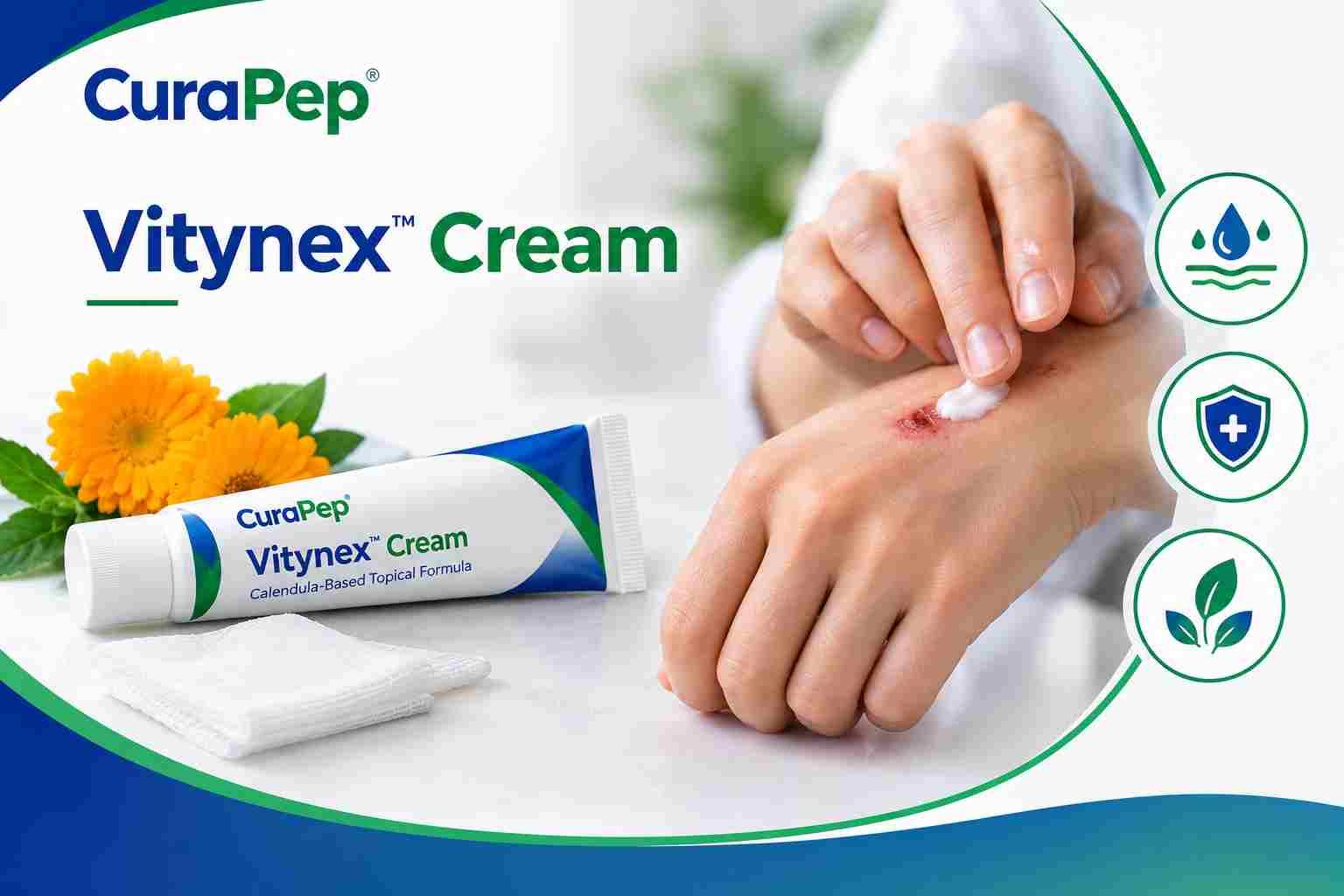
Minor skin injuries, including small cuts, scrapes, and superficial abrasions, are common parts of everyday life. Choosing a suitable wound care cream can be one part of an appropriate care routine, alongside gentle cleansing, protection, and monitoring the affected area. Understanding the purpose of topical products helps people make informed choices and recognize when a minor injury requires professional medical attention.
Understanding the Basics of Minor Wound Care
Minor wounds need appropriate attention to keep the affected area clean and protected while the skin undergoes its natural repair process. Although small injuries often improve with basic care, the right approach depends on the wound's depth, location, and condition.
Why Gentle Cleansing Matters
Before applying a topical product, wash your hands and gently rinse the affected area with clean running water. Mild soap can be used on the surrounding skin, while vigorous scrubbing directly on the wound should be avoided. If dirt or debris remains embedded in the injury, seek appropriate medical advice instead of trying to remove it forcefully.
After cleaning, gently pat the surrounding skin dry with clean gauze or a fresh towel. Avoid applying household substances or unapproved remedies to an open wound. These practices can irritate the skin or interfere with appropriate care.
Protecting the Affected Area
A clean dressing can help protect a minor wound from dirt, friction, and repeated contact. Choose a dressing that suits the injury's size and location, and replace it according to its instructions or whenever it becomes wet or dirty. Avoid picking at scabs or repeatedly touching the affected area.
It is also important to observe the wound as it improves. Increasing redness, swelling, warmth, pain, or drainage may indicate a problem that requires medical assessment.
Choosing a Suitable Product for Delicate Facial Skin
Facial skin deserves particular care because it is frequently exposed to sunlight, cosmetics, cleansing products, and environmental irritants. A minor facial scrape should be treated gently, with particular attention to the product's intended use and the sensitivity of the affected area.
What to Consider Before Applying a Facial Product
When comparing topical products, check the ingredients, label directions, and any warnings concerning sensitive skin. Avoid products that are not intended for use on injured skin, and keep wound-care preparations away from the eyes and inside the mouth. A product suitable for a scrape on the arm may not necessarily be appropriate for every area of the face.
For people researching the best skin healing cream for face, the main considerations should include suitability for the specific injury, gentle care, and clear usage instructions. CuraPep's Vitynex™ Cream is a calendula-based topical product intended for selected minor skin injuries. Review its product label before use, particularly when considering an application to delicate facial skin.
When Facial Injuries Need Professional Advice
Small superficial scrapes may be manageable with appropriate first aid, but deeper facial cuts, wounds near the eyes, animal bites, and injuries that may need stitches should receive medical assessment. Prompt advice is especially important if bleeding does not stop or signs of infection develop.
Protecting healing facial skin from unnecessary friction and excessive sun exposure may also help support a consistent care routine. Avoid introducing several new skincare products while the area is recovering, since doing so can make irritation harder to identify.
Understanding Ingredients and Product Suitability
Topical products are designed for different purposes. Some mainly moisturize intact skin, others provide a protective barrier, and certain products are specifically labeled for minor wound care. Understanding these differences helps prevent the use of unsuitable products on injured skin.
The Role of Calendula-Based Formulas
Calendula is a botanical ingredient used in various topical preparations. Its presence alone, however, does not establish that a product is appropriate for every injury or that it will produce a particular healing outcome. Product formulation, intended use, directions, and safety information all matter.
CuraPep offers Vitynex™ Cream, a calendula-based topical preparation intended for selected minor wound-care uses. Anyone considering it should follow the current product label and consult a healthcare professional if they are unsure whether the product suits their injury.
People searching for the best cream for skin healing should compare products based on their labeled uses, ingredients, precautions, and ease of application rather than relying only on promotional claims. Individual skin responses and recovery times vary, so no topical product should be assumed to work identically for everyone.
Moisture Balance and Skin Protection
Appropriate wound care often involves preventing unnecessary drying and protecting the injury from repeated disturbance. Depending on the wound and dressing used, maintaining a suitable moist environment can support normal skin repair. However, excessive moisture, unsuitable occlusive products, or a contaminated dressing may create additional problems.
Follow the instructions for any cream or dressing you use. Do not combine multiple wound products unless a healthcare professional advises that they are compatible. People with diabetes, circulation problems, reduced sensation, or a history of slow-healing wounds should seek professional guidance early rather than relying solely on home care.
Caring for Open Wounds Safely
An open wound requires more than simply choosing a cream. Cleaning, appropriate dressing, and monitoring are essential parts of basic first aid. The depth and cause of an injury should guide decisions about whether home care is suitable.
What to Look for in a Topical Product
Check whether a product is specifically intended for the type of minor injury you are treating. Read the active ingredients, directions, warnings, and storage instructions. Never assume that a cosmetic moisturizer, herbal preparation, or general skin cream is suitable for an open wound.
The phrase fast healing cream for open wounds is often used when people research topical wound-care options, but a product cannot guarantee immediate recovery. Healing depends on factors such as the injury's severity, location, cleanliness, and the person's overall health. Choose products based on their labeled uses and evidence, not the promise of a particular healing speed.
Vitynex™ Cream is intended for selected minor skin injuries, according to its product information. It is not intended for deep punctures, heavy bleeding, infected wounds, or third-degree burns. Stop using it and consult a healthcare professional if the condition worsens.
When to Seek Medical Attention
Apply firm, steady pressure with clean gauze to control bleeding from a minor cut. If bleeding is heavy or persistent, the wound is deep, an object is embedded, or the injury involves a serious burn or animal bite, obtain prompt medical care. Do not delay assessment to try different creams.
Seek medical advice if you notice spreading redness, increasing pain or swelling, pus, fever, or other signs of infection. People with diabetes, poor circulation, or wounds that are not improving should follow a clinician's wound-care plan.
Building a Consistent Everyday Skin-Care Routine
A simple, consistent routine can help people manage minor skin injuries without unnecessary irritation. Keep basic first-aid supplies available, including clean gauze, suitable dressings, and a gentle way to rinse wounds. Check product expiry dates and keep containers clean to reduce the risk of contamination.
Avoiding Common Wound-Care Mistakes
Do not scrub an injury aggressively, repeatedly remove a dressing without a reason, or apply unverified home remedies. Avoid sharing topical products between people, and use creams only as directed. If a dressing sticks to the wound, follow appropriate removal instructions rather than pulling it away forcefully.
When comparing healing creams for skin, consider whether the product matches your particular concern and whether its instructions are clear. CuraPep's Vitynex™ Cream may be considered for the selected minor wound-care uses described on its label. It should not replace appropriate first aid or professional assessment when an injury is serious.
Supporting Recovery Through Informed Choices
Recovery is influenced by many factors, including the nature of the injury, cleanliness, protection, and individual health. A topical product may be one element of care, but correct use and realistic expectations remain important. Follow the product directions and seek guidance if you are uncertain about its suitability.
Conclusion
Choosing an appropriate topical product begins with understanding the injury, following gentle cleansing practices, and protecting the affected area. Compare ingredients, intended uses, and safety warnings before applying any cream. CuraPep's Vitynex™ Cream is a calendula-based option intended for selected minor skin injuries, but it is not suitable for every wound. For deep injuries, heavy bleeding, serious burns, or signs of infection, seek professional medical care promptly. Informed choices and consistent wound-care practices can help you manage minor injuries responsibly.
 English
 Arabic
 French
 Spanish
 Portuguese
 Deutsch
 Turkish
 Dutch
 Italiano
 Russian
 Romaian
 Portuguese (Brazil)
 Greek