


How Full-Service Carriers Are Adapting to Modern Air Travel
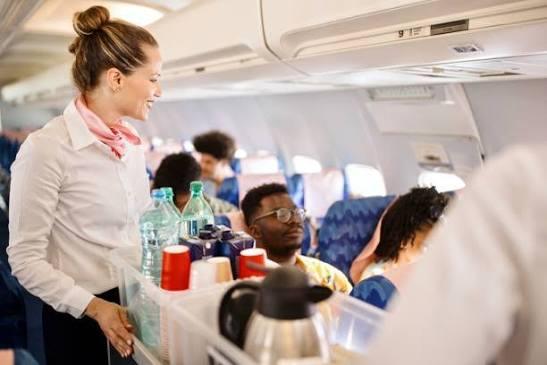
Full-service carriers continue to play an important role in the global aviation ecosystem by offering passengers a comprehensive travel experience that extends beyond basic transportation. Unlike low-cost airlines, these carriers provide a combination of premium cabin options, in-flight entertainment, complimentary meals, baggage allowances, airport lounge access, and loyalty programs. As traveler expectations evolve, airlines are redefining their service strategies to balance operational efficiency with superior customer experiences.
One of the notable developments shaping the aviation landscape is the increasing focus on premium airline service strategies. Airlines are investing in digital technologies, fleet modernization, and personalized passenger services to remain competitive while addressing changing customer preferences. These initiatives are helping carriers improve operational performance, strengthen customer loyalty, and enhance the overall travel experience across domestic and international routes.
The Growing Importance of Passenger Experience
Passenger expectations have changed significantly over the past decade. Travelers now seek convenience, flexibility, and personalized services throughout their journey. From digital check-in and biometric boarding to enhanced cabin comfort and in-flight connectivity, full-service carriers are continuously introducing innovations that simplify travel while improving customer satisfaction.
Modern travelers also value transparency, seamless booking processes, and responsive customer support. Airlines that successfully integrate these features into their operations are better positioned to strengthen long-term customer relationships while maintaining a competitive advantage. Industry observations suggest that improving passenger experience has become one of the primary differentiators among established carriers. According to the International Air Transport Association (IATA), digital transformation and customer-centric services remain key priorities across the aviation sector.
Digital Transformation Is Reshaping Airline Operations
Technology has become a central pillar of airline operations. Artificial intelligence, predictive analytics, cloud-based reservation systems, and automated customer service platforms are enabling carriers to optimize scheduling, reduce delays, and improve resource utilization. Digital tools also allow airlines to anticipate passenger needs, deliver customized offers, and streamline airport operations.
Mobile applications have become increasingly sophisticated, allowing passengers to manage bookings, receive real-time flight updates, purchase additional services, and access boarding passes from a single platform. These digital capabilities improve convenience while reducing operational complexity for airlines.
Sustainability Has Become a Strategic Priority
Environmental responsibility has become an essential component of long-term airline planning. Full-service carriers are exploring multiple strategies to reduce emissions and improve fuel efficiency. Investments in next-generation aircraft, sustainable aviation fuel initiatives, optimized flight routes, and lightweight cabin materials are helping airlines progress toward broader sustainability objectives.
Many carriers are also introducing waste reduction programs, recycling initiatives, and digital documentation to minimize environmental impact across airport and onboard operations. The International Civil Aviation Organization (ICAO) continues to encourage sustainable aviation practices through global collaboration and environmental initiatives.
Premium Services Continue to Differentiate Full-Service Airlines
While price remains an important consideration for many travelers, premium services continue to distinguish full-service carriers from other airline business models. Business-class seating, premium economy cabins, airport lounges, priority boarding, flexible ticket options, and comprehensive loyalty programs provide additional value for both business and leisure travelers.
Corporate travel also continues to influence service development. Airlines are enhancing onboard productivity through improved Wi-Fi connectivity, comfortable seating, and business-friendly amenities that support professionals traveling for work.
Strategic Partnerships Expand Global Connectivity
Airline alliances, codeshare agreements, and strategic partnerships allow full-service carriers to extend their route networks without significantly expanding their own fleets. These collaborations provide passengers with greater destination choices, coordinated schedules, and simplified travel experiences across multiple airlines.
Partnerships also strengthen operational resilience by improving connectivity between regional and international routes. For airlines, collaborative networks create opportunities to optimize capacity, improve aircraft utilization, and deliver consistent service standards across broader geographic markets.
Balancing Operational Efficiency with Service Quality
Maintaining premium service while managing operational costs remains one of the industry's ongoing challenges. Airlines must carefully balance investments in customer experience with evolving economic conditions, fuel costs, workforce management, and regulatory requirements.
Operational efficiency initiatives such as predictive aircraft maintenance, automated baggage handling, data-driven scheduling, and intelligent resource planning help airlines improve reliability while preserving the high-quality services expected from full-service carriers.
Looking Ahead
The future of full-service carriers will be shaped by their ability to combine innovation, operational excellence, and customer-focused service strategies. Digital technologies, sustainability initiatives, premium travel experiences, and global partnerships are expected to remain central themes as airlines continue adapting to changing passenger expectations.
Rather than relying solely on traditional service models, successful carriers are embracing continuous innovation to create more efficient, connected, and personalized travel experiences. As the aviation sector continues to evolve, full-service airlines are likely to remain important contributors to global connectivity by delivering comprehensive travel solutions that meet the diverse needs of modern passengers.\
 French
 English
 Arabic
 Spanish
 Portuguese
 Deutsch
 Turkish
 Dutch
 Italiano
 Russian
 Romaian
 Portuguese (Brazil)
 Greek