


CT Scan vs MRI Scan: Key Differences, Uses, Preparation, and Cost
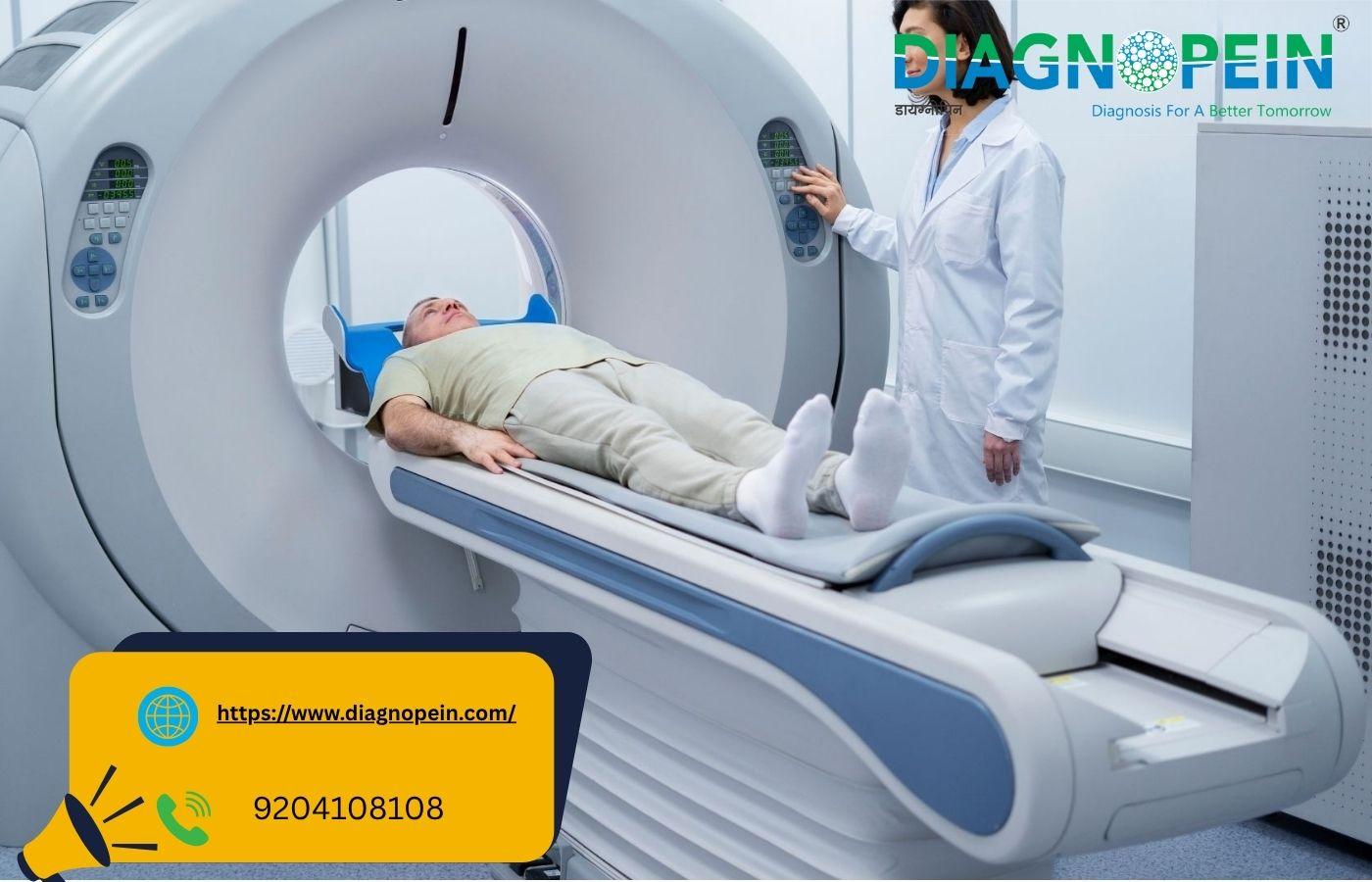
When your doctor recommends a CT scan or an MRI scan, you may wonder which test is better, how the procedures differ, and what you should expect during the examination. Although both scans help doctors examine the inside of the body, they use different technologies and are suitable for different medical situations. Understanding these differences can help you feel more prepared before your appointment.
CT scan vs MRI scan is a common comparison for people who want to understand which imaging test may be recommended for their symptoms or medical condition. A CT scan uses X-rays to create detailed images of internal structures, while an MRI scan uses strong magnetic fields and radio waves to produce detailed images of organs, muscles, joints, and other soft tissues. The right test depends on the area being examined, the medical concern, and your doctor's recommendation.
What Is a CT Scan?
A CT (Computed Tomography) scan is a medical imaging test that uses X-rays and computer technology to create detailed cross-sectional images of the body. These images allow doctors to examine organs, bones, blood vessels, and other internal structures.
During a CT scan, you lie on a table that moves through a large, ring-shaped scanner. The machine captures images from different angles, and a computer combines them to create detailed views of the body.
Why Is a CT Scan Performed?
Doctors may recommend a CT scan for several reasons, including:
-
Detecting fractures and certain bone injuries.
-
Examining the chest, lungs, abdomen, and pelvis.
-
Assessing internal injuries after an accident.
-
Identifying certain tumours, infections, or abnormal growths.
-
Investigating possible internal bleeding or other urgent conditions.
-
Evaluating blood vessels when a CT angiography examination is required.
How Long Does a CT Scan Take?
The scanning process often takes around 5–15 minutes, although preparation, contrast administration, and the type of examination can increase the total appointment time.
What Is an MRI Scan?
An MRI (Magnetic Resonance Imaging) scan uses a strong magnetic field and radio waves to create detailed images of internal body structures. Unlike a CT scan, MRI does not use ionising radiation.
MRI is particularly useful for examining soft tissues, including the brain, spinal cord, muscles, ligaments, and many internal organs.
During the procedure, you lie on a table that moves into the MRI scanner. The machine produces tapping or knocking sounds while capturing images. You may be given ear protection, and you will need to remain as still as possible to help obtain clear images.
Why Is an MRI Scan Performed?
Doctors may recommend an MRI scan to:
-
Examine the brain and spinal cord.
-
Investigate certain causes of persistent back or neck pain.
-
Assess knee, shoulder, and other joint injuries.
-
Examine muscles, tendons, and ligaments.
-
Evaluate certain abnormalities affecting internal organs.
-
Investigate neurological symptoms when MRI is clinically appropriate.
How Long Does an MRI Scan Take?
An MRI examination commonly takes around 20–60 minutes, depending on the body part and the type of scan. Some specialised examinations may take longer.
CT Scan vs MRI Scan: Key Differences
Although both procedures provide detailed internal images, there are important differences between them.
| Feature | CT Scan | MRI Scan |
|---|---|---|
| Technology | Uses X-rays | Uses magnetic fields and radio waves |
| Radiation | Uses ionising radiation | Does not use ionising radiation |
| Imaging strengths | Bones, lungs, internal injuries, and many abdominal conditions | Brain, spinal cord, muscles, ligaments, and many soft tissues |
| Scanning time | Usually faster | Usually takes longer |
| Emergency use | Often useful when rapid imaging is needed | Used when detailed MRI imaging is needed and appropriate |
| Patient experience | Typically a short scan through a ring-shaped machine | May involve remaining inside a longer, tunnel-shaped scanner |
| Metal implants | Must be disclosed and assessed as appropriate | Requires careful safety screening because of the strong magnetic field |
Important: Neither scan is automatically better than the other. The choice depends on what your doctor needs to examine and how quickly the information is required.
Which Is Better: CT Scan or MRI Scan?
The best imaging test depends on the medical condition being investigated.
When Is a CT Scan Preferred?
A CT scan may be preferred when doctors need rapid imaging, particularly after serious injuries or when assessing certain chest, abdominal, or bone conditions. It can also help identify internal bleeding and other urgent problems.
When Is an MRI Scan Preferred?
An MRI may be preferred when detailed images of the brain, spinal cord, joints, ligaments, or other soft tissues are needed. It can help doctors assess conditions that may not be as clearly visible on some other imaging tests.
Your doctor will consider your symptoms, medical history, previous test results, and the specific information required before recommending a scan.
How to Prepare for a CT Scan or MRI Scan
Preparation varies according to the body part being examined and whether contrast material is required.
CT Scan Preparation
Before a CT scan, you may need to:
-
Follow instructions about eating and drinking if provided.
-
Inform the medical team about pregnancy or possible pregnancy.
-
Share information about kidney problems, allergies, and medications when relevant, particularly if contrast material is planned.
-
Remove metal objects or change into suitable clothing if requested.
MRI Scan Preparation
Before an MRI scan, you should:
-
Inform the staff about pacemakers, implants, surgical clips, or other medical devices.
-
Disclose any metal fragments in your body, particularly if you have had a metal-related injury.
-
Remove jewellery, watches, and other metal objects as instructed.
-
Tell the staff if you experience claustrophobia or have difficulty remaining still.
-
Follow any eating, drinking, or medication instructions provided for your examination.
Never assume an implant is safe for MRI simply because it is made of a particular material. The MRI team must verify its safety.
Are CT Scans and MRI Scans Safe?
Both procedures are widely used in medical imaging when appropriately prescribed, but each has different safety considerations.
CT scans involve exposure to ionising radiation. Doctors consider the expected medical benefit and aim to avoid unnecessary radiation exposure. Pregnancy or possible pregnancy should be discussed before the examination.
MRI scans do not use ionising radiation. However, the strong magnetic field means that certain implants and metallic objects can create serious safety concerns. Some patients may also find the enclosed scanner uncomfortable.
Both CT and MRI scans may involve contrast material in selected cases. Contrast can improve the visibility of particular structures, but the medical team may need to assess kidney function, previous contrast reactions, and other relevant factors.
If you have concerns about either procedure, discuss them with your doctor or imaging team before the scan.
What Affects the Cost of a CT Scan or MRI Scan?
The cost of a CT scan or MRI scan can vary between diagnostic centres and examinations. Factors that may influence the total cost include:
-
The body part being examined.
-
The type and complexity of the scan.
-
Whether contrast material is required.
-
The need for specialised imaging protocols.
-
The diagnostic centre's location and available facilities.
-
Reporting requirements and any additional services.
For an accurate estimate, contact the diagnostic centre and confirm the exact scan prescribed by your doctor.
Why Choose Diagnopein?
Diagnopein Diagnostics provides diagnostic imaging services to support patients and healthcare professionals. When arranging a CT scan or MRI scan, patients should look for clear appointment instructions, appropriate imaging facilities, qualified reporting professionals, and guidance about preparation.
Before booking, confirm the availability of your required examination, the preparation instructions, the expected reporting time, and the applicable charges with the centre.
 Romaian
 English
 Arabic
 French
 Spanish
 Portuguese
 Deutsch
 Turkish
 Dutch
 Italiano
 Russian
 Portuguese (Brazil)
 Greek