


Commercial Kitchen Equipment Manufacturer: How Factory Testing and Site Commissioning Can Prevent Performance Problems After Installation
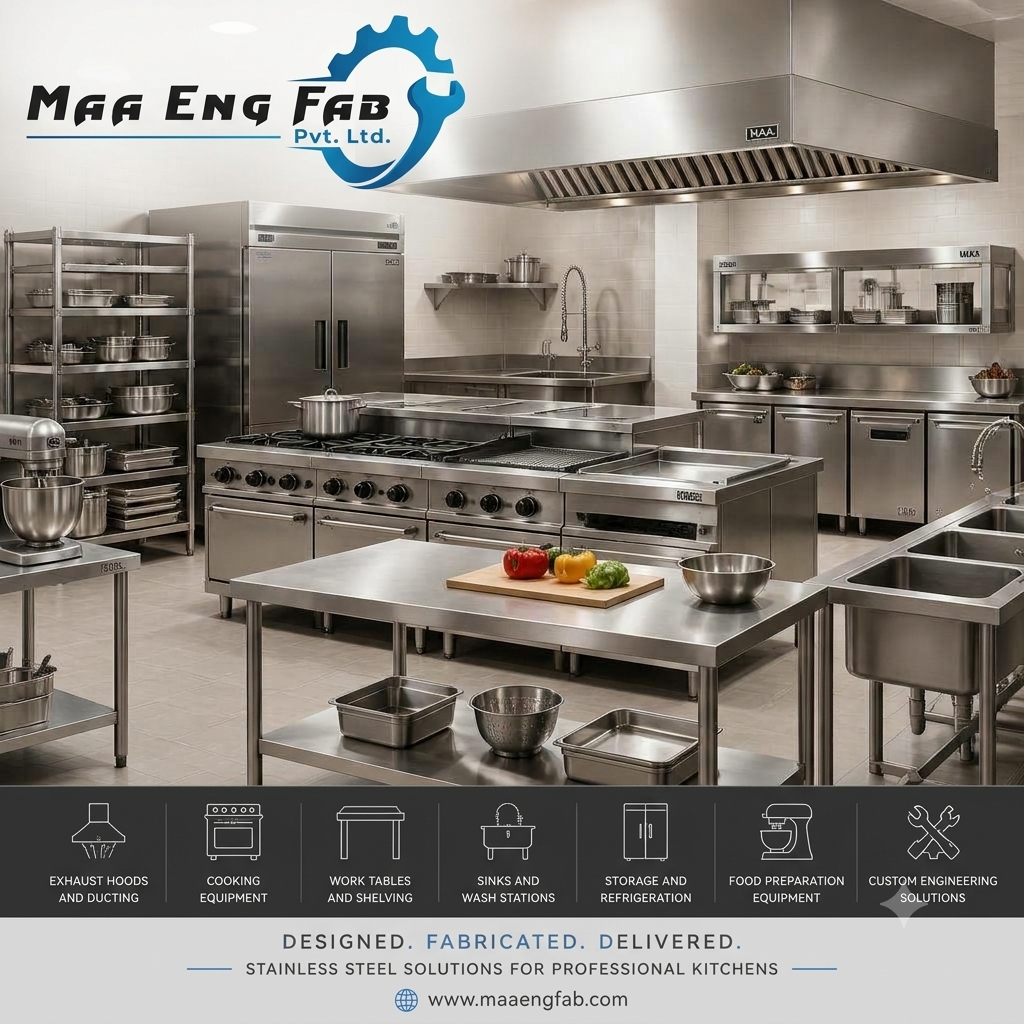
Buying commercial kitchen equipment is only the beginning of a successful kitchen project. Even well-designed equipment can create operational problems if specifications are misunderstood, installation conditions are incorrect, utilities are not properly coordinated, or performance is never verified after installation.
For hotels, restaurants, institutional kitchens and large food-service operations, a structured process from factory testing to site commissioning can provide a clearer way to confirm that equipment has been manufactured, installed and operated according to the agreed requirements.
This is why buyers should evaluate a Commercial Kitchen Equipment Manufacturer not only on the equipment supplied but also on technical documentation, testing procedures, installation support, commissioning and after-sales service.
Why Factory Testing and Site Commissioning Matter
Equipment can be affected by several factors between manufacturing and daily operation.
These can include:
- Manufacturing variations
- Transportation
- Installation conditions
- Utility differences
- Incorrect connections
- Operating procedures
- Staff training
- Environmental conditions
- Maintenance practices
Factory testing and site commissioning address different stages of this process.
Factory testing focuses on the equipment before dispatch.
Site commissioning verifies the installed equipment under actual project conditions.
Both can provide useful information for project acceptance and future maintenance.
What Is Factory Testing?
Factory testing is the process of checking equipment before it leaves the manufacturing facility.
The exact tests depend on the equipment type and agreed project specifications.
Testing may involve:
- Functional operation
- Dimensions
- Controls
- Temperature performance
- Electrical checks
- Mechanical operation
- Safety functions
- Connections
- Surface and fabrication inspection
The objective is to confirm that the manufactured equipment meets the agreed requirements before delivery.
What Should Buyers Verify During Factory Testing?
A buyer should not simply ask whether the equipment was “tested.”
The more useful question is:
What was tested, under what conditions, and against which acceptance criteria?
Verify Physical Specifications
Check:
- Equipment dimensions
- Connection locations
- Access panels
- Working components
- Mounting arrangements
- Fabrication details
This can help identify discrepancies before installation.
Verify Functional Operation
Depending on the equipment, functional testing may include:
- Start and stop operation
- Controls
- Heating or cooling functions
- Motors
- Pumps
- Valves
- Doors
- Safety mechanisms
The exact tests should be appropriate to the equipment.
Check Surface and Fabrication Quality
For fabricated equipment, inspection may include:
- Material specifications
- Weld finishing
- Surface finish
- Edges
- Joints
- Structural components
The appropriate material and fabrication requirements depend on the equipment's intended application.
Factory Testing Should Be Based on Defined Criteria
A test becomes more useful when the expected result is clearly defined.
For example, instead of simply stating:
“Equipment tested successfully.”
A project document can identify:
- Test parameter
- Test condition
- Measurement method
- Expected result
- Actual result
- Acceptance status
This creates a more useful technical record.
Why Test Conditions Matter
A performance number without its test conditions can be difficult to interpret.
When reviewing manufacturer data, ask:
- Was the equipment tested at full load?
- What operating conditions were used?
- How long was the test performed?
- What inputs were supplied?
- How was output measured?
- Were the conditions representative of the intended application?
This helps buyers distinguish between theoretical specifications and demonstrated performance.
Material Quality and Fabrication Verification
Performance is not the only part of equipment quality.
For commercial kitchen equipment, construction quality can influence durability, cleanability and serviceability.
Review Stainless-Steel Specifications
Where stainless steel is used, buyers can review:
- Specified material grade
- Thickness where relevant
- Surface finish
- Weld finishing
- Edge treatment
- Structural reinforcement
- Joint construction
The correct specification should depend on the equipment application and operating environment.
Inspect Weld Finishing
Weld areas should be reviewed for appropriate finishing and accessibility.
Poorly finished or difficult-to-clean areas can increase cleaning effort.
The objective is not simply visual appearance. Fabrication should support the intended use, cleaning process and maintenance requirements.
Performance Testing Before Dispatch
Depending on the equipment category, pre-dispatch testing may help verify:
Temperature Performance
Relevant for equipment such as:
- Cooking equipment
- Refrigeration
- Heating equipment
- Holding equipment
Testing should use defined conditions appropriate to the equipment.
Output Capacity
For production equipment, output should be evaluated according to an agreed measurement method.
Capacity should not be interpreted only from a maximum catalogue figure.
Cycle Time
Where equipment works in repeated cycles, cycle duration can affect actual production capacity.
Control Accuracy
Controls and settings should be checked according to the equipment's intended operation.
Installation Can Change Equipment Performance
Successful factory testing does not automatically guarantee identical performance after installation.
The site may have different:
- Electrical conditions
- Gas supply
- Water pressure
- Drainage
- Ventilation
- Ambient temperature
- Exhaust conditions
- Installation clearances
Therefore, equipment should be checked again after installation.
What Is Site Commissioning?
Site commissioning is the process of verifying installed equipment under actual project conditions.
It typically takes place after installation and utility connections are complete.
The exact commissioning procedure depends on the equipment and project requirements.
Typical Commissioning Checks
These may include:
- Physical installation
- Utility connections
- Equipment operation
- Controls
- Safety functions
- Temperature
- Output
- Drainage
- Ventilation
- Operating settings
The purpose is to establish that the installed system is ready for its intended use.
Verify Utilities During Commissioning
Utilities should be checked against the equipment's technical requirements.
Electrical
Verify applicable:
- Voltage
- Phase
- Connected load
- Isolation
- Protection
Gas
Where applicable, verify:
- Gas type
- Pressure
- Connection
- Isolation
- Ventilation
Water
Check:
- Supply
- Pressure
- Connection
- Drainage
Exhaust
Where required, verify that equipment works correctly with the installed exhaust and ventilation arrangement.
The exact checks should follow project specifications and applicable requirements.
Performance Validation After Installation
Commissioning should go beyond simply switching the equipment on.
The project team can establish practical acceptance criteria.
Capacity Validation
Check whether the equipment can deliver the agreed output under defined operating conditions.
Temperature Validation
Where temperature is a critical parameter, record relevant readings under appropriate test conditions.
Cycle Validation
For batch-based equipment, confirm that actual cycle performance is consistent with the agreed specification.
Operational Validation
Operators should be able to perform the required functions safely and correctly.
Commissioning Data Creates a Useful Baseline
One of the overlooked benefits of commissioning is the creation of baseline information.
A commissioning record may contain:
- Equipment identification
- Installation date
- Utility readings
- Operating parameters
- Test results
- Observed defects
- Corrective actions
- Final acceptance status
This information can become useful later when troubleshooting performance issues or planning maintenance.
Operator Training Should Be Part of Handover
Equipment performance depends partly on how it is operated.
A handover process should cover, where relevant:
- Start-up procedure
- Shutdown procedure
- Operating controls
- Cleaning
- Safety
- Basic troubleshooting
- Preventive maintenance
- Daily inspection
Training should follow the equipment manufacturer's instructions.
Documentation Buyers Should Request
A professional equipment handover can include several documents.
Depending on the project, these may include:
- Product specifications
- Installation drawings
- Utility requirements
- Operating manual
- Cleaning instructions
- Maintenance instructions
- Warranty documentation
- Test records
- Commissioning report
- Spare-parts information
- Training records
Keeping these documents together can simplify future maintenance and service communication.
How to Evaluate a Commercial Kitchen Equipment Manufacturer
When comparing Commercial Kitchen Equipment Manufacturers, look beyond the product catalogue.
Technical Capability
Ask whether the manufacturer can provide clear technical documentation covering:
- Dimensions
- Capacity
- Utilities
- Materials
- Installation
- Maintenance
Testing Process
Ask:
- What factory tests are performed?
- Are test results documented?
- Can testing be witnessed where appropriate?
- What acceptance criteria are used?
Installation Support
Confirm whether the manufacturer provides:
- Installation guidance
- Technical drawings
- Utility coordination
- Commissioning support
- Operator training
After-Sales Service
Review:
- Warranty
- Spare parts
- Service availability
- Technical support
- Preventive maintenance assistance
A complete evaluation should consider the entire equipment lifecycle.
Common Post-Installation Problems
Several problems can occur when commissioning is not properly planned.
Equipment Does Not Reach Expected Performance
Possible causes may include:
- Incorrect utility conditions
- Installation errors
- Incorrect settings
- Operating procedure differences
- Environmental conditions
The cause should be investigated rather than immediately assuming that the equipment itself is defective.
Utility Connections Do Not Match
This can occur when equipment requirements are not coordinated with the site before installation.
Maintenance Access Is Restricted
Equipment may function correctly but become difficult to service because surrounding equipment or construction blocks service areas.
Operators Are Not Properly Trained
Incorrect operation can affect performance, safety and equipment life.
Documentation Is Missing
Without technical records, troubleshooting can take longer because technicians may not have the original specifications or commissioning baseline.
How to Prevent Installation and Performance Problems
A structured process can reduce avoidable issues.
Before Ordering
Confirm:
- Equipment specifications
- Capacity
- Utilities
- Dimensions
- Installation requirements
- Maintenance access
- Testing criteria
Before Dispatch
Confirm:
- Factory inspection
- Functional testing
- Final dimensions
- Connections
- Documentation
During Installation
Verify:
- Position
- Utilities
- Level and alignment where applicable
- Access
- Exhaust and ventilation
- Safety requirements
During Commissioning
Record:
- Operating conditions
- Performance results
- Utility readings
- Defects
- Corrective actions
- Acceptance
During Handover
Provide:
- Training
- Manuals
- Cleaning procedures
- Maintenance information
- Warranty documentation
- Commissioning records
Factory Testing vs Site Commissioning
| Stage | Main Purpose | Typical Focus |
|---|---|---|
| Factory Testing | Verify manufactured equipment | Function, construction, controls and agreed performance |
| Installation | Correctly position and connect equipment | Utilities, location and physical installation |
| Site Commissioning | Verify installed operation | Performance under actual site conditions |
| Handover | Transfer equipment to operators | Training, documents and maintenance information |
These stages complement each other rather than replacing one another.
Practical Buyer Acceptance Checklist
Before Purchase
-
Equipment specifications documented
-
Capacity requirements defined
-
Utility requirements confirmed
-
Installation conditions reviewed
-
Maintenance access considered
-
Warranty terms reviewed
Factory Stage
-
Dimensions checked
-
Fabrication inspected
-
Controls tested
-
Functional operation verified
-
Relevant performance tests completed
-
Test records documented
Installation Stage
-
Equipment positioned correctly
-
Utility connections verified
-
Exhaust/ventilation coordinated
-
Service access maintained
-
Safety requirements checked
Commissioning Stage
-
Equipment started and operated
-
Performance checked
-
Relevant readings recorded
-
Defects documented
-
Corrective actions completed
-
Acceptance recorded
Handover Stage
-
Operator training completed
-
Manuals supplied
-
Cleaning instructions supplied
-
Maintenance information supplied
-
Warranty documentation supplied
-
Commissioning report retained
Frequently Asked Questions
What is the difference between factory testing and commissioning?
Factory testing checks equipment before dispatch, while commissioning verifies the equipment after installation under actual site conditions.
Why should commercial kitchen equipment be tested before installation?
Pre-dispatch testing can identify manufacturing, functional or specification issues before the equipment reaches the project site, potentially reducing installation-stage complications.
What should be checked during site commissioning?
Depending on the equipment, commissioning can include installation, utilities, controls, safety functions, temperature, output, cycle performance and other agreed acceptance criteria.
What should I ask a Commercial Kitchen Equipment Manufacturer about testing?
Ask what is tested, how it is tested, what conditions are used, how results are recorded and what acceptance criteria determine successful completion.
Why is commissioning data useful?
Commissioning data provides a baseline for the equipment's initial operating condition. It can support troubleshooting, maintenance and future performance comparisons.
Does factory testing guarantee site performance?
No. Site conditions can differ from factory conditions. Proper installation and site commissioning are therefore important for verifying actual operation.
Should operators receive equipment training?
Yes. Operators should understand the manufacturer's recommended operating, cleaning and safety procedures before using the equipment routinely.
What documents should be retained after commissioning?
Relevant documents may include technical specifications, manuals, utility requirements, test records, commissioning reports, warranty information, maintenance instructions and training records.
Conclusion
Commercial kitchen equipment should be evaluated as part of a complete project lifecycle rather than as a product that ends at delivery.
Factory testing can verify important aspects of manufacturing and equipment operation before dispatch. Installation checks confirm that the equipment has been correctly connected and positioned. Site commissioning then provides an opportunity to validate performance under actual operating conditions.
For buyers evaluating a Commercial Kitchen Equipment Manufacturer, the complete process should include technical specifications, factory testing, material and fabrication inspection, installation support, site commissioning, operator training, documentation, spare-parts support and after-sales service.
A structured approach creates clearer acceptance criteria, establishes useful performance records and gives the kitchen team a stronger foundation for routine operation and maintenance.
The practical principle is straightforward:
Specify before purchase, test before dispatch, verify during installation, validate during commissioning and document the final operating condition.
 Spanish
 English
 Arabic
 French
 Portuguese
 Deutsch
 Turkish
 Dutch
Dutch
 Italiano
 Russian
 Romaian
 Portuguese (Brazil)
 Greek
Greek