


Home Elevator Installation and Vertical Platform Lift: Improving Accessibility at Home
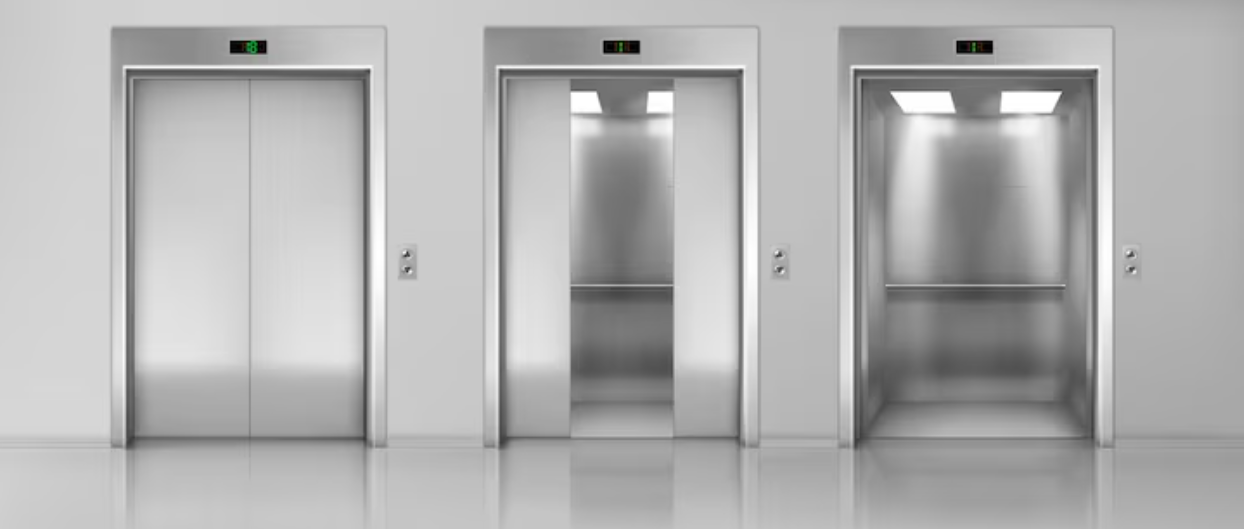
Creating a comfortable and accessible home is becoming an important priority for homeowners of all ages. As families plan for long-term living, accessibility solutions can make moving between floors safer, easier, and more convenient. Two popular options are home elevator installation and a vertical platform lift. Both systems are designed to improve mobility, but they serve different needs and offer unique advantages depending on the home's layout, available space, and the user's requirements.
A thoughtfully planned accessibility system can provide more independence while also making a property more functional for family members, guests, and individuals with mobility challenges. Understanding how these solutions work and what factors should be considered before installation can help homeowners make an informed decision.
Understanding Home Elevator Installation
A residential elevator is a compact elevator system designed specifically for use inside or around a private home. Unlike traditional commercial elevators, modern residential systems can be designed to complement the home's architecture and interior style. Home elevator installation can provide convenient access between multiple levels, making it easier to transport people, mobility equipment, groceries, laundry, and other household items.
The installation process generally begins with an assessment of the property. Professionals evaluate the available floor space, ceiling height, structural conditions, access points, and electrical requirements. Depending on the elevator design, the system may be installed inside the home or in a suitable exterior location.
One of the major benefits of residential elevators is their ability to serve several floors. For homeowners with multiple levels, this can provide a practical long-term accessibility solution. A properly designed elevator can also become an attractive feature rather than simply a functional addition.
Benefits of a Residential Elevator
One of the biggest advantages of home elevator installation is convenience. Stairs can become difficult to navigate because of age, injury, limited mobility, or simply the need to carry heavy objects. An elevator eliminates the need to repeatedly climb stairs and provides a smoother way to move between floors.
Residential elevators can also support aging in place. Instead of relocating to a single-story property when mobility becomes more challenging, homeowners may be able to adapt their existing homes. This can allow families to remain in familiar surroundings while improving accessibility.
Another benefit is increased property functionality. A home with an elevator can accommodate a wider range of residents and visitors. Families may also appreciate the convenience of moving bulky household items between floors without carrying them up or down stairs.
What Is a Vertical Platform Lift?
A vertical platform lift is another accessibility solution designed to transport a person and, when appropriate, a wheelchair between different elevations. The user stands on or remains seated in a mobility device on a platform while the lift moves vertically.
These lifts are commonly used where there is a relatively short vertical distance to overcome. For example, they can provide access between a home's main floor and a raised entrance, porch, garage, basement area, or another level.
Unlike traditional elevators, a vertical platform lift generally has a simpler design and may require less space depending on the application. It can be particularly useful for wheelchair users who need a practical way to overcome steps or changes in elevation.
Advantages of a Vertical Platform Lift
A major advantage of a vertical platform lift is its versatility. It can be installed in different locations depending on the home's design and accessibility requirements. Outdoor installations can also provide an accessible entrance without requiring extensive modifications to interior living spaces.
Platform lifts can be especially useful when a staircase is not the ideal route for someone using a wheelchair or mobility device. Instead of transferring from a wheelchair to another seat, the individual can often remain on the platform during transportation.
Another advantage is straightforward operation. Many systems are designed with controls that allow users to operate the lift independently. Safety features may include platform barriers, gates, emergency controls, sensors, and other protective components.
Home Elevator vs. Vertical Platform Lift
Although both systems improve accessibility, they are not interchangeable in every situation. A residential elevator is generally more suitable when homeowners need regular transportation between multiple floors. It can provide a more comprehensive solution for a two-story or multi-story residence.
A platform lift may be more appropriate when the primary challenge involves a shorter vertical rise. For example, if a home has a raised entrance or a split-level transition, installing a vertical platform lift may be a practical alternative to a full elevator.
Space and project requirements also matter. A residential elevator may involve more planning and construction, while a platform lift can sometimes be integrated into an existing property with fewer modifications. The right choice depends on the specific structure and accessibility goals.
Planning the Installation
Before beginning either project, homeowners should carefully evaluate how the system will be used. Consider who will use the lift, how frequently it will operate, what mobility equipment needs to fit inside or on the platform, and which floors or areas require access.
Measurements are also essential. Available floor space, doorway widths, travel distance, structural conditions, and electrical requirements can influence which system is appropriate.
Professional planning is particularly important because accessibility equipment must be installed correctly. An experienced installer can assess the property and recommend a configuration that balances safety, usability, appearance, and available space.
Safety and Maintenance Considerations
Safety should always be a primary consideration when selecting accessibility equipment. Homeowners should choose equipment designed for residential accessibility applications and ensure that installation is completed according to applicable requirements.
Regular maintenance is also important. Moving components, electrical systems, safety sensors, doors, controls, and other parts should be inspected as recommended by the manufacturer and installer. Prompt attention to unusual sounds, movement, or operational problems can help prevent more serious issues.
Keeping the surrounding area clear is another simple but important safety practice. Users should have sufficient space to enter and exit the elevator or platform without obstacles.
Improving Everyday Independence
Accessibility solutions are not only about addressing mobility limitations. They can make everyday life more convenient for the entire household. A residential elevator can simplify carrying laundry, luggage, furniture, groceries, and other objects between floors. Likewise, a platform lift can make entrances and elevated areas easier to access.
For families planning to remain in their homes for many years, these improvements can provide valuable flexibility. Instead of waiting until stairs or elevated entrances become difficult to manage, homeowners can consider accessibility during renovation or remodeling projects.
Choosing the Right Solution
The decision between home elevator installation and a vertical platform lift should be based on the property's design and the user's specific needs. An elevator may be the better choice for full multi-floor transportation, while a platform lift can be an excellent option for overcoming a limited vertical rise.
Budget, available space, travel distance, aesthetics, maintenance requirements, and intended use should all be considered. A professional evaluation can help determine which system will provide the most practical solution.
Ultimately, accessibility improvements can make a home safer, more convenient, and easier to enjoy. Whether homeowners choose home elevator installation for comprehensive multi-level access or a vertical platform lift for targeted mobility assistance, thoughtful planning can create a more comfortable environment and support greater independence for years to come.
 Italiano
 English
 Arabic
 French
 Spanish
 Portuguese
 Deutsch
 Turkish
 Dutch
Dutch
 Russian
 Romaian
 Portuguese (Brazil)
 Greek
Greek