


Parenting Plan Documents: A Guide to Effective Parenting Plan Preparation
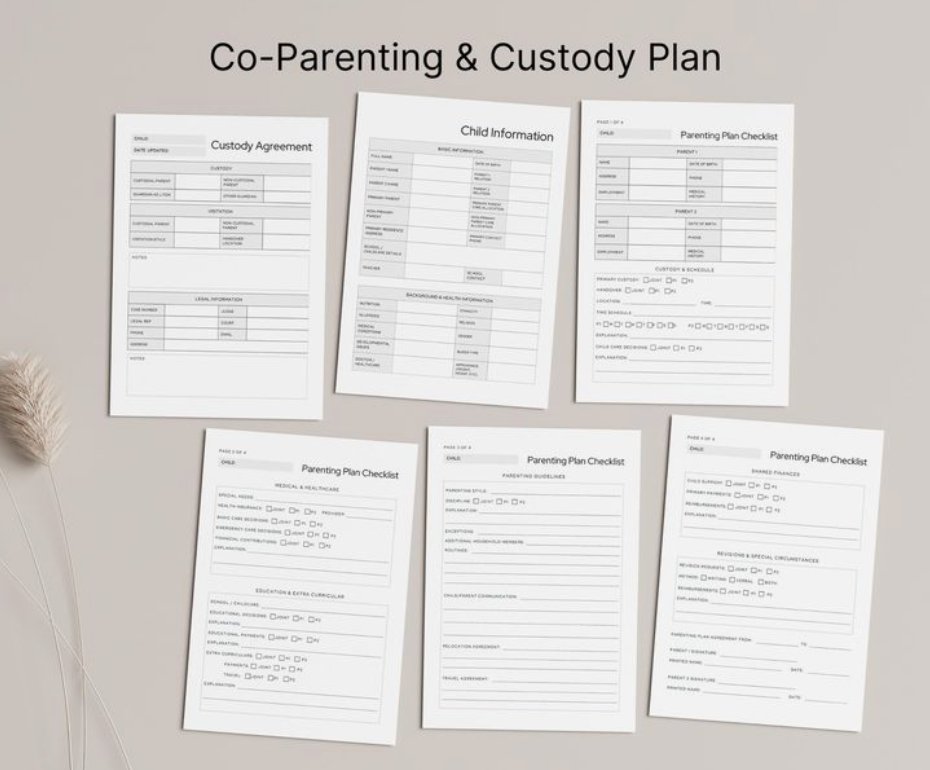
When parents separate or divorce, one of the most important tasks is creating a clear plan for raising their children. A well-prepared parenting plan can reduce confusion, prevent disagreements, and help children maintain healthy relationships with both parents. This is where Parenting Plan Documents become especially valuable.
A parenting plan outlines how parents will share responsibilities, make decisions, and manage their child's daily life. Proper parenting plan preparation helps ensure that important details are considered before the plan is submitted to the court or agreed upon by both parents.
What Are Parenting Plan Documents?
Parenting Plan Documents are written materials that explain how separated or divorced parents will handle parenting responsibilities. Depending on the situation and local court requirements, these documents may address physical custody, legal decision-making, visitation, transportation, holidays, education, healthcare, and other issues involving the child.
A parenting plan can be created by parents working together, with assistance from a mediator, attorney, or qualified document preparation professional. The exact requirements vary by jurisdiction, so parents should make sure their documents meet the applicable local rules.
The primary goal is to create a practical arrangement that focuses on the child's needs while clearly defining each parent's responsibilities.
Why Is a Parenting Plan Important?
Without a detailed parenting plan, parents may have different expectations about schedules, holidays, school activities, or decision-making. Even when parents initially get along, disagreements can develop as circumstances change.
A clear parenting plan provides a written framework for handling common parenting situations. It can help answer questions such as:
- Where will the child live during the week?
- How will weekends be divided?
- How will school vacations be handled?
- Who will make important medical decisions?
- How will parents share transportation responsibilities?
- How will holidays and birthdays be scheduled?
- How should parents communicate about the child?
- What happens when a parent needs to change the schedule?
Addressing these questions during parenting plan preparation can help reduce uncertainty later.
Key Information Included in Parenting Plan Documents
Every family is different, but many Parenting Plan Documents include several important sections.
1. Parenting Time Schedule
The parenting-time schedule explains when the child will be with each parent. It may include regular weekday and weekend arrangements, overnight visits, school breaks, and vacation periods.
A schedule should be realistic. Parents should consider school hours, work schedules, extracurricular activities, transportation, and the child's age when creating it.
2. Holiday and Vacation Arrangements
Holidays can become a source of conflict when there is no written agreement. A parenting plan can specify how major holidays, birthdays, school vacations, and special occasions will be divided.
Some parents alternate holidays each year, while others divide individual holidays between them. The best arrangement is one that is practical and predictable for the family.
3. Decision-Making Responsibilities
Parenting plans may explain how important decisions about education, healthcare, religious upbringing, and other areas will be made.
Parents may share decision-making responsibilities or establish specific responsibilities for each parent. Clear language can help prevent future disagreements about who has authority to make particular decisions.
4. Transportation and Exchanges
Transportation details are easy to overlook but can have a significant effect on daily life. A parenting plan can identify who will pick up and drop off the child, where exchanges will occur, and how parents should handle delays.
Having these details in writing can make transitions smoother and reduce unnecessary conflict.
5. Communication Guidelines
Parents may also establish expectations for communication. The plan might address how parents will communicate about school events, medical appointments, schedule changes, and other child-related matters.
Some parents prefer text messages, email, phone calls, or a parenting communication application. The important thing is to establish a method that allows parents to exchange necessary information respectfully and reliably.
Steps in Parenting Plan Preparation
Effective parenting plan preparation involves more than filling out a form. Parents should carefully consider their child's routine and their own practical circumstances.
Start With the Child's Needs
The child's age, school schedule, activities, relationships, and emotional needs should be considered first. A schedule that looks equal on paper may not work well for every child.
Create a Realistic Schedule
Parents should compare work schedules, school locations, transportation needs, and other commitments. A realistic plan is more likely to work consistently.
Address Both Everyday and Special Situations
A strong parenting plan should cover normal weekly routines as well as holidays, vacations, school closures, birthdays, and unexpected schedule changes.
Use Clear Language
Avoid vague statements such as "reasonable visitation" when specific details would be more helpful. Clear dates, times, responsibilities, and procedures can reduce misunderstandings.
Review Local Requirements
Court forms and filing requirements can differ depending on the state and jurisdiction. Before submitting Parenting Plan Documents, parents should verify that the documents contain all required information and follow the applicable formatting and filing rules.
Common Mistakes to Avoid
During parenting plan preparation, parents sometimes focus only on the major custody arrangement and overlook smaller details. These omissions can lead to problems later.
One common mistake is failing to create a holiday schedule. Another is not explaining how schedule changes will be handled. Parents may also forget to address transportation, communication, school activities, or travel.
It is also important to avoid writing a plan based entirely on what is convenient at the moment. Children's needs and family circumstances can change. Parents may want to include a process for discussing reasonable future changes.
Most importantly, Parenting Plan Documents should remain focused on the child's best interests rather than becoming a tool for continuing disagreements between parents.
When Professional Help May Be Useful
Some parents can prepare a parenting plan together without extensive assistance. Others may find the process difficult, particularly when communication is challenging or there are many details to address.
Professional assistance may help parents organize information, understand required forms, and make sure important sections are not overlooked. Depending on the circumstances, parents may work with a mediator, family law attorney, or document preparation service.
Document preparation assistance can be particularly useful when parents understand what they want their parenting arrangement to look like but need help putting the information into appropriate paperwork.
However, document preparation services generally do not replace legal advice. If parents have complicated custody disputes or questions about their legal rights, consulting a qualified family law attorney may be appropriate.
Keeping Parenting Plans Practical
A parenting plan should be something parents can actually follow. Overly complicated schedules may create more problems than they solve.
Parents should consider the child's school location, extracurricular activities, transportation time, work commitments, and normal routines. The more practical the arrangement is, the easier it may be for everyone to follow.
It is also helpful to remember that successful co-parenting requires communication. A well-written plan provides structure, but respectful cooperation can make the arrangement work more effectively.
Final Thoughts
Well-prepared Parenting Plan Documents can provide valuable structure for families navigating separation or divorce. By clearly addressing parenting time, holidays, decision-making, transportation, communication, and other important responsibilities, parents can reduce uncertainty and create a more predictable routine for their children.
Careful parenting plan preparation allows parents to think through potential challenges before they become disputes. Whether parents prepare the documents themselves or receive professional assistance, the focus should remain on creating a clear, practical arrangement that supports the child's well-being.
A thoughtful parenting plan is more than paperwork. It is a framework for helping parents work together and giving children greater stability during a significant family transition.
 Italiano
 English
 Arabic
 French
 Spanish
 Portuguese
 Deutsch
 Turkish
 Dutch
Dutch
 Russian
 Romaian
 Portuguese (Brazil)
 Greek
Greek