


Soft Wash House Cleaning and Residential Power Washing: A Complete Guide to a Cleaner Home
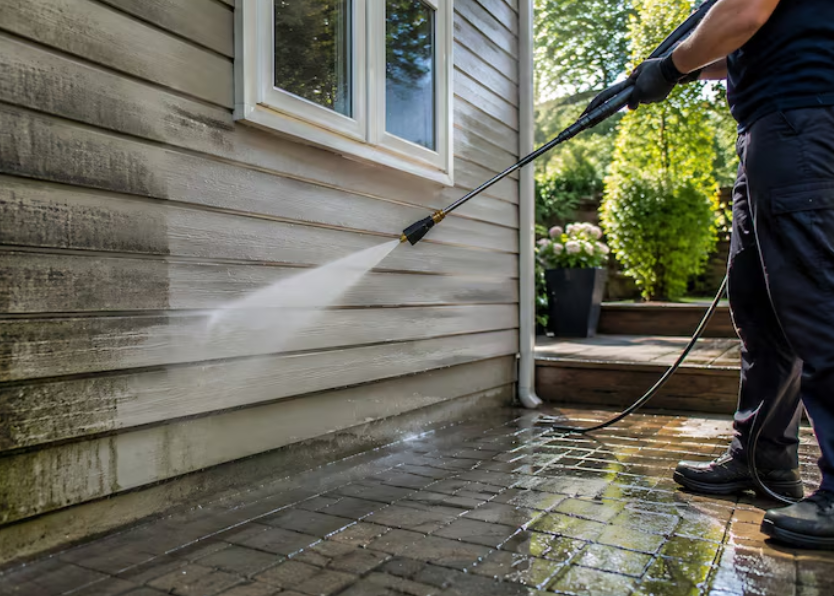
Keeping a home clean is about more than making it look attractive. Exterior surfaces are constantly exposed to rain, sunlight, wind, dust, pollen, insects, and changing temperatures. Over time, these elements can leave behind dirt, algae, mildew, stains, and other buildup that makes a property look older and less maintained. Regular exterior cleaning can help homeowners protect their investment while creating a more welcoming environment.
Two effective approaches for maintaining exterior surfaces are Soft wash house cleaning and Residential power washing. Although both methods are designed to remove unwanted buildup, they are used differently depending on the material, surface condition, and type of contamination. Understanding how these services work can help homeowners choose the right cleaning approach for their property.
What Is Soft Wash House Cleaning?
Soft wash house cleaning is a gentle exterior cleaning method designed for surfaces that may be damaged by high-pressure water. Instead of depending primarily on intense pressure, soft washing combines a controlled amount of water with cleaning solutions that help loosen and eliminate organic growth, dirt, and stains.
This method can be particularly useful for exterior walls, painted surfaces, certain types of siding, and other areas where excessive pressure could cause damage. The goal is to clean effectively without unnecessarily stressing the surface.
Homes can develop green, black, or gray discoloration from algae, mildew, and other organic materials. Simply rinsing the surface may not always address the underlying buildup. Soft washing allows the cleaning process to target these contaminants more effectively while using lower water pressure.
Benefits of Soft Wash House Cleaning
One of the biggest advantages of Soft wash house cleaning is its gentle approach. High-pressure cleaning can sometimes force water behind siding, damage delicate finishes, or remove paint when performed incorrectly. Soft washing reduces that risk by relying on lower pressure and appropriate cleaning techniques.
Another benefit is the ability to address organic growth. Algae and mildew can continue returning when only surface dirt is removed. A carefully performed soft wash can help break down this buildup and leave the exterior looking fresher.
Soft washing can also improve curb appeal. A home with clean siding, trim, and exterior walls can look significantly brighter and better maintained. This can be especially valuable for homeowners preparing to host guests, sell a property, or simply improve the appearance of their surroundings.
Understanding Residential Power Washing
Residential power washing uses pressurized water to remove dirt, mud, stains, and other buildup from durable exterior surfaces. The equipment can deliver considerably more force than a standard garden hose, making it useful for areas where ordinary cleaning methods are not sufficient.
Power washing can be used on many appropriate residential surfaces, including concrete walkways, driveways, patios, and other hard materials. However, pressure should always be adjusted according to the surface being cleaned. Using excessive pressure on an unsuitable material can create unnecessary damage.
The key to successful power washing is not simply using the strongest setting available. Professional cleaning involves selecting the appropriate pressure, nozzle, distance, and technique for each surface.
Why Residential Power Washing Matters
Over time, driveways, sidewalks, patios, and other hard surfaces can become covered with dirt and environmental residue. These areas often receive heavy foot traffic and are exposed to the elements throughout the year.
Residential power washing can restore the appearance of these surfaces by removing layers of accumulated grime. A cleaner driveway can make an entire property appear more maintained, while a refreshed patio can create a more pleasant outdoor space.
Power washing may also help remove slippery buildup from suitable outdoor surfaces. Moss, algae, and grime can contribute to slippery conditions, particularly when surfaces become wet. Keeping appropriate areas clean can support a safer and more comfortable outdoor environment.
Choosing the Right Cleaning Method
Soft washing and power washing are not competing services. Instead, they are different tools that can be selected according to the cleaning project.
For example, exterior siding may benefit from a softer cleaning approach, while a concrete driveway may require stronger pressure. A professional can evaluate the material and condition of the surface before determining which method is appropriate.
Using the wrong cleaning technique can lead to problems. Excessive pressure may damage delicate surfaces, while insufficient cleaning power may leave stubborn buildup behind. Matching the method to the surface is therefore an important part of effective exterior maintenance.
Areas That Can Benefit From Exterior Cleaning
A residential property contains many exterior areas that can gradually accumulate dirt and organic growth. Siding is one of the most noticeable because it covers such a large portion of the home. Clean siding can immediately improve the property's overall appearance.
Driveways and walkways are also common candidates for exterior cleaning. Tire marks, mud, dust, and environmental stains can become increasingly noticeable over time.
Patios and outdoor entertaining areas can benefit as well. Dirt and organic buildup can make these spaces look neglected. Cleaning them can help homeowners enjoy their outdoor areas more comfortably.
Other possible areas include exterior walls, fences, decks, garage doors, and selected outdoor structures. Each material should be evaluated individually so that the cleaning process does not compromise its finish or structural integrity.
Preparing Your Home for Cleaning
Before an exterior cleaning project begins, homeowners can take several simple steps. Outdoor furniture, decorations, toys, and other loose objects should be moved away from the cleaning area when possible. Windows and doors should be properly closed, and delicate plants or landscaping features may need protection.
It is also helpful to identify surfaces that require special attention. If a homeowner knows about damaged siding, loose paint, cracked concrete, or other existing issues, those concerns should be communicated before cleaning begins.
Good preparation allows the cleaning process to proceed more efficiently and helps reduce the possibility of accidental damage to belongings or surrounding areas.
Maintaining a Cleaner Exterior
Professional cleaning should be viewed as part of an ongoing home-maintenance routine rather than a one-time solution. Environmental conditions vary from one property to another, so the ideal cleaning schedule depends on factors such as shade, moisture, landscaping, weather, and surface material.
Regular inspection can help homeowners identify buildup before it becomes severe. Light dirt is generally easier to address than years of accumulated grime, algae, or mildew.
Combining appropriate Soft wash house cleaning with properly selected Residential power washing can provide comprehensive exterior maintenance. The gentle method can handle delicate surfaces, while pressure-based cleaning can address durable areas that require additional cleaning strength.
Final Thoughts
A clean exterior can make a significant difference in how a home looks and feels. More importantly, regular exterior maintenance can help homeowners stay aware of the condition of their property's surfaces.
Soft wash house cleaning offers a gentle option for many delicate exterior materials, while Residential power washing provides effective cleaning for suitable durable surfaces. By selecting the correct method for each area, homeowners can remove unwanted buildup while minimizing the risk of surface damage.
Whether the goal is improving curb appeal, refreshing an outdoor living area, or maintaining a property over the long term, thoughtful exterior cleaning can be a valuable part of responsible home care. With the right techniques and regular attention, exterior surfaces can remain cleaner, more attractive, and better maintained throughout the year.
 French
 English
 Arabic
 Spanish
 Portuguese
 Deutsch
 Turkish
 Dutch
Dutch
 Italiano
 Russian
 Romaian
 Portuguese (Brazil)
 Greek
Greek