


Plant Activators Market Expansion Backed by Agricultural Innovation
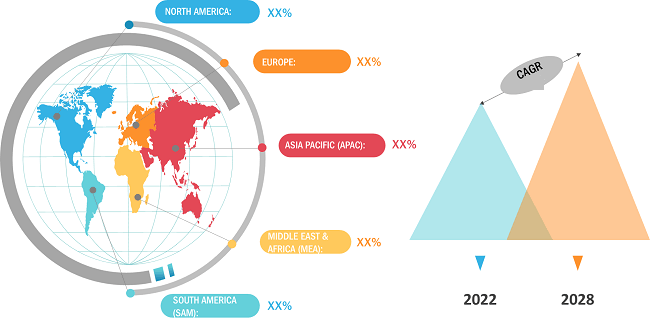
Modern agriculture is moving away from reactive crop protection applying chemicals after a pathogen or pest appears towards a more proactive model that strengthens the plant's own defence mechanisms before threats materialise. Plant activators are central to this shift. The Plant Activators Market is projected to grow from US$ 962.01 Million in 2025 to US$ 1,662.78 Million by 2034, registering a CAGR of 6.27% over the forecast period. As growers, regulators, and food supply chains align around reduced pesticide dependency and more resilient crop production systems, plant activators are transitioning from a niche agrochemical category into a mainstream crop management tool.
What Are Plant Activators?
Plant activators, also referred to as plant defence elicitors or resistance inducers, are substances that prime or trigger a plant's systemic acquired resistance (SAR) or induced systemic resistance (ISR) pathways without themselves acting directly on the pathogen or pest. By activating these inherent immune mechanisms, plant activators prepare the crop to respond faster and more effectively to disease pressure, physical stress, and environmental challenges. The result is improved disease tolerance, reduced yield losses under stress conditions, and in many cases a meaningful reduction in the volume of conventional fungicide and pesticide inputs required to achieve acceptable crop protection outcomes.
Request a Sample Copy of the Report: https://www.theinsightpartners.com/sample/TIPRE00018476
What Is Driving Growth in the Plant Activators Market?
Regulatory pressure on conventional crop protection chemistry is the most powerful structural driver behind plant activator adoption. Across the European Union, the active withdrawal of older broad-spectrum fungicides and insecticides under the Farm to Fork Strategy and the Sustainable Use of Pesticides Regulation is creating a genuine toolbox gap that farmers must fill with alternative or complementary solutions. Plant activators, which carry significantly more favourable ecotoxicological and residue profiles than many conventional actives, are increasingly positioned by agrochemical advisors as the first line of defence in integrated crop management programmes reducing reliance on at-risk chemistry while maintaining commercially acceptable disease control. This regulatory tailwind is not confined to Europe; pesticide regulatory tightening is underway across North America, Japan, and several major emerging market jurisdictions, creating a globally dispersed demand driver.
The parallel growth of integrated pest management (IPM) adoption is reinforcing the market opportunity. IPM frameworks, promoted by public extension services, food retailer sustainability programmes, and increasingly by crop insurance providers, explicitly favour preventive and biological tools over curative chemical applications. Plant activators sit naturally within this framework, offering growers a documented, certifiable input that contributes to IPM compliance without the yield risk associated with removing fungicide programmes entirely. In high-value horticultural crops table grapes, tomatoes, soft fruits, and leafy vegetables where residue limits are particularly strict and buyer specifications demanding, plant activators are becoming standard components of commercial spray programmes.
Biological plant activators sourced from natural compounds including acibenzolar-S-methyl analogues, chitosan, salicylic acid derivatives, and seaweed extracts are benefiting from the same consumer-driven demand for organic and sustainably produced food that is reshaping the broader crop inputs market. Certification bodies for organic production increasingly recognise biological plant activator products as permitted inputs, opening a dedicated premium market channel that chemical plant activators cannot access. This distinction is driving product development investment at companies such as Futureco Bioscience and Jaivik Crop Care, which are building portfolios specifically targeting the organic and low-residue production segments.
Segmentation Overview
By Source: Chemical plant activators currently account for the larger share of market value, with established products backed by robust agronomic trial data and integration into commercial spray programmes. Biological plant activators are the faster-growing source segment, propelled by regulatory favourability, organic market access, and growing grower confidence in biologically derived crop health solutions.
By Form: Liquid formulations dominate commercial use due to their compatibility with standard spray application equipment and ease of tank-mixing with complementary inputs. Powder and granule forms serve specific application scenarios, including soil incorporation treatments and seed dressing formulations where liquid handling is impractical.
By Crop Type: Fruits and vegetables lead demand by value, reflecting the high economic stakes of crop losses in perishable horticulture and the stringent residue requirements of fresh produce supply chains. Cereals and grains represent the largest volume opportunity given the global scale of wheat, maize, and rice production. Oilseeds and pulses are a growing segment as soybean and canola producers seek disease management solutions compatible with export market residue tolerances.
By Mode of Application: Foliar application is the predominant delivery route, offering flexibility in timing and the ability to respond to evolving disease pressure during the growing season. Soil treatment applications serve niche roles in soilborne disease management and root health programmes, particularly in high-intensity vegetable production systems.
Key Market Players
- Syngenta
- Isagro
- Arysta LifeScience
- NutriAg
- Futureco Bioscience S.A.
- Meiji Seika
- Certis USA L.L.C.
- Gowan
- Eagle Plant Protect Pvt. Ltd.
- Jaivik Crop Care LLP
Sustainability and Innovation Trends
Innovation in the plant activators market is advancing on several fronts simultaneously. Next-generation elicitor discovery is leveraging genomic and metabolomic tools to identify new natural compounds capable of activating specific defence pathways with greater precision and lower application rates than first-generation products. Microbiome-based plant activators formulations incorporating beneficial bacteria or fungi that trigger ISR pathways through root colonisation are an emerging category attracting significant research investment, blurring the boundary between plant activators and biological control agents.
Combination products that pair plant activators with biofungicides or nutritional inputs are gaining commercial traction, offering growers simplified programmes that deliver multiple crop health benefits from a single application. The development of seed treatment formulations incorporating plant activators is also advancing, enabling systemic priming of plant defences from germination onwards and reducing the number of in-season spray applications required.
Buy Premium Report: https://www.theinsightpartners.com/buy/TIPRE00018476
Regional Outlook
Europe leads the global plant activators market in both value intensity and innovation adoption, driven by the EU's progressive reduction of conventional pesticide approvals and strong grower familiarity with integrated crop management approaches. France, Italy, Spain, and Germany are the largest consuming markets within Europe, reflecting their significant horticultural and arable production sectors.
North America is a substantial and growing market, with the United States leading adoption in premium vegetable, berry, and grape production, where residue compliance and retailer sustainability requirements directly incentivise plant activator use.
Asia Pacific is the fastest-growing regional market, led by Japan's sophisticated agricultural inputs market and China's rapidly evolving crop protection regulatory environment, which is progressively restricting older synthetic chemistries. India represents a high-potential emerging market, with government-backed sustainable agriculture programmes and a large smallholder farming sector increasingly receptive to biological and low-residue crop health solutions. Latin America, particularly Brazil and Argentina, contributes growing demand tied to soybean and fruit export production for residue-sensitive European and North American buyers.
Related Reports:
Micronutrient Fertilizers Market
Elemental Sulfur Based Pesticides Market
About The Insight Partners
The Insight Partners is among the leading market research and consulting firms in the world. We take pride in delivering exclusive reports along with sophisticated strategic and tactical insights into the industry. Reports are generated through a combination of primary and secondary research, solely aimed at giving our clientele a knowledge-based insight into the market and domain. This is done to assist clients in making wiser business decisions. A holistic perspective in every study undertaken forms an integral part of our research methodology and makes the report unique and reliable.
Contact Us:
If you have any queries about this report or if you would like further information, please contact us:
Phone: +1-646-491-9876
E-mail: sales@theinsightpartners.com
Also Available in: Korean | German | Japanese | French | Chinese | Italian | Spanish
 Greek
Greek
 English
 Arabic
 French
 Spanish
 Portuguese
 Deutsch
 Turkish
 Dutch
Dutch
 Italiano
 Russian
 Romaian
 Portuguese (Brazil)