


Identifying Key Market Trends and Consumer Behavior Patterns in the Global Lithium-Ion Battery Market
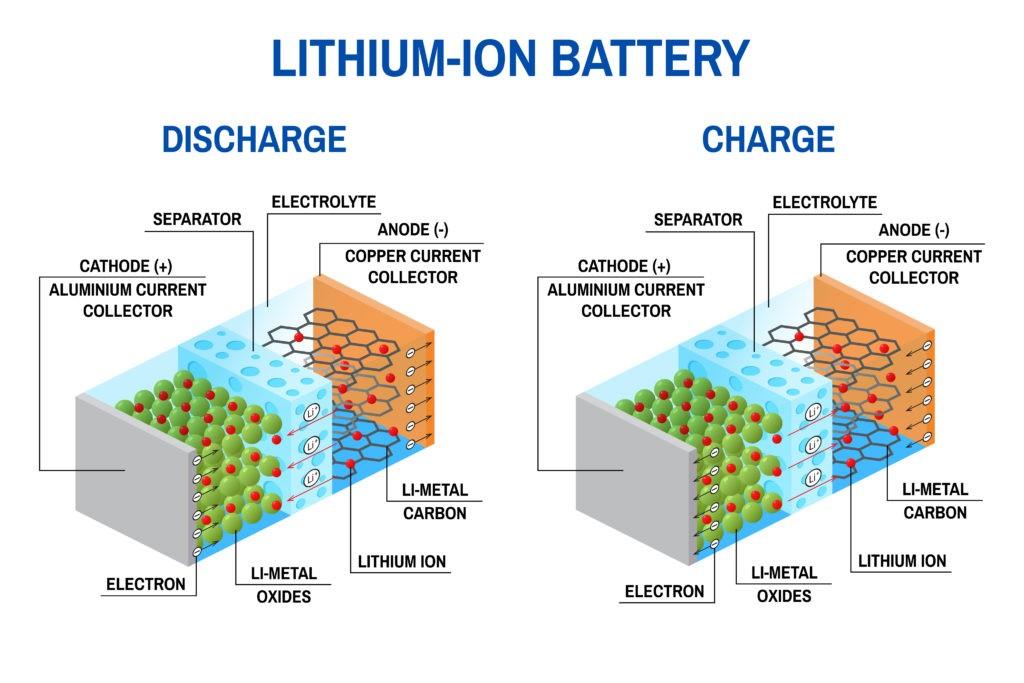
The current landscape of the Lithium-Ion Battery Market is being defined by several transformative trends that are altering the way energy is stored and utilized. One of the most prominent shifts is the move toward high-voltage architectures in electric vehicles, which allows for significantly faster charging times and improved efficiency. This paragraph explores how these Lithium-Ion Battery market trends are influencing consumer preferences, with a clear lean toward vehicles and devices that offer long-term reliability and rapid energy replenishment. Additionally, the rise of modular battery systems is enabling easier upgrades and repairs, extending the lifecycle of the product and reducing electronic waste. In the residential sector, the trend toward "smart homes" is integrating battery storage with home automation systems, allowing for optimized energy use based on real-time electricity pricing. These developments are not just technological; they represent a fundamental change in the relationship between energy providers and consumers.
Another significant trend is the increasing regionalization of the battery supply chain, driven by a desire for energy security and reduced logistics costs. Many countries are now incentivizing the establishment of local battery "valleys" that house everything from mineral processing to cell assembly and recycling. This shift is creating a more resilient global market, less susceptible to international trade tensions or shipping disruptions. Furthermore, the focus on carbon footprint transparency is leading manufacturers to adopt "battery passports"—digital records that track the environmental and ethical history of each cell. This move toward transparency is highly valued by modern consumers who prioritize sustainability in their purchasing decisions. As these trends converge, the market is becoming more sophisticated, with a greater emphasis on quality, traceability, and integrated energy services. The future of the industry lies in its ability to adapt to these shifting dynamics while maintaining a steady downward trajectory in costs.
What is a "battery passport" and why is it important? A battery passport is a digital tool that tracks the material origins, carbon footprint, and recycled content of a battery, ensuring transparency and ethical standards.
Why are high-voltage architectures becoming popular in electric vehicles? High-voltage systems (like 800V) allow for faster charging and higher efficiency by reducing the heat generated during the power transfer process.
➤➤➤Explore MRFR’s Related Ongoing Coverage In Semiconductor Industry:
Smart Connected Devices Market
Predictive Emission Monitoring System Market
Magnetoresistance Sensor Market
 Dutch
Dutch
 English
 Arabic
 French
 Spanish
 Portuguese
 Deutsch
 Turkish
 Italiano
 Russian
 Romaian
 Portuguese (Brazil)
 Greek
Greek