


Exterior Wood Siding: A Timeless Choice for Beautiful and Durable Homes
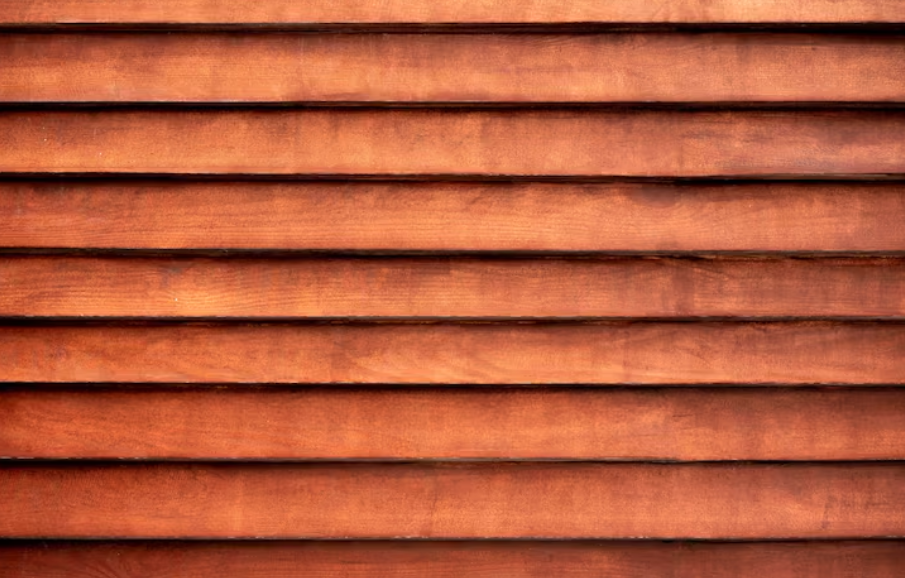
Exterior wood siding has remained a popular choice for homeowners who want to combine natural beauty, warmth, and lasting character. Unlike manufactured materials that attempt to imitate the appearance of wood, genuine wood siding provides an authentic texture and visual depth that can make a home feel welcoming and distinctive. From traditional houses to modern architectural designs, wood siding can complement a wide range of styles while offering practical benefits when properly selected and maintained.
One of the biggest advantages of exterior wood siding is its natural appearance. Wood has unique grain patterns, colors, and textures that give every installation a sense of individuality. Even when the same type of wood is used throughout a home, slight differences in the grain make the finished exterior look natural rather than repetitive. Homeowners can also choose from different stains, paints, profiles, and installation patterns to create a customized appearance.
The Appeal of Natural Wood
Wood has a warmth that is difficult to duplicate with other siding materials. It can make a property look established, elegant, and connected to its surroundings. Depending on the species and finish selected, wood siding can create anything from a rustic cabin appearance to a clean contemporary exterior.
Another important benefit is versatility. Wood can be cut, shaped, painted, stained, and installed in numerous ways. Horizontal boards are a traditional option, while vertical siding can give a home a taller and more contemporary appearance. Shingles, shakes, board-and-batten designs, and other profiles offer additional opportunities for customization.
Because of this flexibility, exterior wood siding can work well on both renovations and new construction. It can also be combined with stone, brick, metal, or other materials to create visual contrast and architectural interest.
Choosing the Right Wood
Selecting the right material is an important part of any siding project. Different wood species have different characteristics, including grain appearance, durability, color, stability, and maintenance requirements.
Cedar is a popular choice because of its attractive grain and natural resistance to certain outdoor conditions. Redwood is another option known for its rich color and distinctive appearance. Pine and other wood species can also be used, particularly when properly treated, finished, and maintained.
The ideal selection depends on the home's design, local climate, budget, and desired maintenance routine. Homeowners should consider how much time they are willing to spend maintaining the exterior before choosing a specific wood product.
Design Possibilities With Wood Siding
Wood siding provides many design opportunities. The orientation of the boards alone can significantly influence the character of a home. Horizontal siding can create a classic and balanced appearance, while vertical installation can provide a more dramatic and modern effect.
Color is another major design element. Some homeowners prefer a clear or lightly tinted stain that allows the natural grain to remain visible. Others choose paint in a bold or neutral color to complement windows, doors, roofing, and landscaping.
Mixed siding styles can also produce attractive results. For example, a home might feature traditional horizontal boards across most of the exterior while using board-and-batten siding on a front-facing gable. Wood shingles can be added around entryways or upper sections to create additional texture.
These options make wood siding more than a protective exterior covering. It can become an important part of a home's overall architectural identity.
Durability and Protection
When properly installed and maintained, exterior wood siding can provide many years of service. However, wood is a natural material, so it requires protection from moisture, sunlight, insects, and changing weather conditions.
Proper installation is essential. Siding should be installed with appropriate spacing, ventilation, flashing, and moisture-management practices. Water should be directed away from vulnerable areas, and exposed edges should receive suitable protection.
The finish also plays an important role. Paint and stain can help protect the wood from environmental exposure while allowing homeowners to control the appearance of the exterior. The appropriate finishing system depends on the wood species and the desired look.
Regular inspections are useful for identifying problems before they become major repairs. Homeowners should watch for peeling finishes, damaged boards, cracks, moisture-related deterioration, or areas where water may be collecting.
Maintenance Requirements
One consideration when choosing wood siding is maintenance. Although wood can be highly durable, it does not require zero maintenance. Periodic cleaning, inspection, and refinishing can help preserve its appearance and performance.
The frequency of maintenance depends on factors such as climate, sun exposure, wood species, finish type, and installation quality. A properly maintained exterior can retain its beauty for a long time, while neglected siding may deteriorate more quickly.
Cleaning should generally be performed carefully to avoid damaging the wood surface. Harsh methods can remove finishes or damage the grain. When repainting or staining becomes necessary, preparation is just as important as the new coating itself. Surfaces should be clean, dry, and properly prepared before a new finish is applied.
Environmental Considerations
Wood siding can also appeal to homeowners who appreciate natural building materials. Wood is a renewable resource, and responsibly sourced lumber can be an attractive option for projects where material origin and environmental considerations are important.
The long service life of well-maintained wood siding can also reduce the need for frequent replacement. Instead of removing an entire exterior after a relatively short period, individual damaged boards can often be repaired or replaced as needed.
Homeowners interested in sustainability should ask suppliers about responsible sourcing, product certifications, and available wood species. Making an informed material choice can support both long-term performance and environmental goals.
Installation Matters
Even high-quality wood can perform poorly if it is installed incorrectly. Professional installation can help ensure that boards are properly aligned, securely attached, and adequately protected from moisture.
Experienced installers understand how wood responds to temperature and humidity changes. They can account for expansion, contraction, ventilation, drainage, and other factors that influence siding performance.
Proper detailing around windows, doors, corners, rooflines, and other openings is especially important. These areas can be vulnerable to moisture intrusion if they are not carefully designed and installed.
Increasing Curb Appeal and Property Character
A well-designed exterior can make a significant difference in how a home looks from the street. Wood siding naturally creates texture and dimension, helping a property stand out without appearing overly decorative.
For older homes, new wood siding can complement existing architectural details while refreshing the exterior. For modern homes, simple siding profiles and contemporary colors can create a clean and sophisticated appearance.
Wood can also age beautifully. Some homeowners appreciate the way natural wood develops character over time, while others prefer to maintain a consistent painted or stained appearance. The finish and maintenance approach can therefore be selected according to personal preferences.
Making a Smart Siding Investment
Choosing siding is a long-term decision, so homeowners should consider more than the initial purchase price. Material quality, installation, maintenance, finishing requirements, expected lifespan, and appearance all contribute to the overall value of the project.
Exterior wood siding can be an excellent investment for homeowners who appreciate natural materials and are prepared to provide appropriate care. Its flexibility, beauty, repairability, and timeless character make it a strong option for many architectural styles.
Ultimately, wood siding offers a combination of traditional craftsmanship and modern design flexibility. With the right wood species, professional installation, protective finish, and regular maintenance, it can provide a beautiful exterior that enhances a home's character for years. Whether the goal is to create a classic appearance, introduce rustic charm, or achieve a contemporary design, wood remains a versatile and attractive choice for residential exteriors.
 English
 Arabic
 French
 Spanish
 Portuguese
 Deutsch
 Turkish
 Dutch
Dutch
 Italiano
 Russian
 Romaian
 Portuguese (Brazil)
 Greek
Greek